
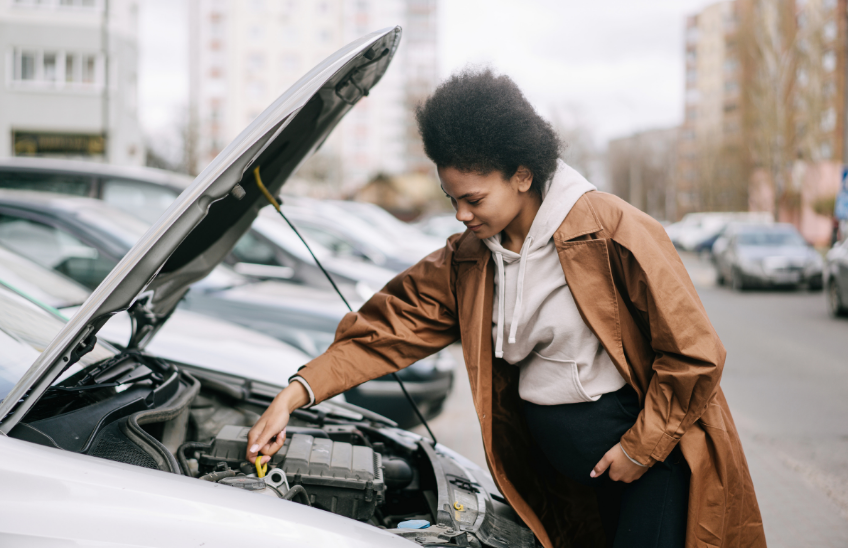
Car Maintenance After Winter: Spring Car Inspection Checklist
Winter driving conditions across New England are tough on vehicles. Road salt, potholes, freezing temperatures, and moisture can cause wear on tires, batteries, brakes, and undercarriage components. Once winter ends, it’s important to perform car maintenance after winter to identify damage and prepare your vehicle for spring and summer driving.
A thorough spring car inspection checklist helps ensure your vehicle remains safe, reliable, and protected from long-term damage caused by winter weather.
What Is Car Maintenance After Winter?
Car maintenance after winter involves inspecting your vehicle for damage caused by cold temperatures, road salt, potholes, and winter driving conditions. A spring car inspection checklist typically includes checking tires, testing the battery, inspecting brakes, washing the undercarriage, checking fluids, and reviewing electrical systems. Performing seasonal vehicle maintenance helps prevent costly repairs and improves driving safety.
Why Winter Is Hard on Vehicles
Winter conditions create several challenges for vehicles.
Road Salt and Chemicals Cause Corrosion
Road salt helps keep roads safe during snow and ice storms, but it can damage vehicles by causing rust on undercarriage components, brake lines, and exposed metal.
Potholes Damage Tires and Suspension
Freeze-thaw cycles create potholes that can damage tires, wheels, and suspension systems.
Cold Temperatures Affect Batteries
Cold weather reduces battery performance and can weaken older batteries.
Moisture Accelerates Rust
Winter moisture combined with road salt creates ideal conditions for corrosion.
Because of these factors, car maintenance after winter is essential for protecting your vehicle.
Spring Car Inspection Checklist
Use this checklist to inspect your vehicle after winter weather.
- Test your battery
- Inspect tires for wear and pressure
- Check brakes and brake fluid
- Wash undercarriage to remove road salt
- Inspect windshield and replace wipers
- Check vehicle lights and electrical systems
- Review engine fluids and change oil if needed
- Test air conditioning before summer
Completing this spring car inspection checklist helps prevent mechanical issues later in the year.
Inspect Your Tires After Winter
Tires take the most abuse during winter driving.
Check Tire Pressure
Cold temperatures cause tire pressure to drop. Always check tire pressure when tires are cold.
Inspect Tread Depth
Use the penny test. Insert a penny into the tread with Lincoln’s head facing downward. If the top of his head is visible, your tires may need replacement.
Look for Uneven Wear
Uneven tire wear can indicate alignment or suspension issues caused by potholes.
Schedule Tire Rotation and Alignment
Spring is an ideal time to rotate tires and check alignment to extend tire life.
Test Your Car Battery
Cold temperatures reduce battery capacity and can weaken older batteries.
Battery Maintenance Tips
- Have the battery tested for charge capacity
- Check terminals for corrosion buildup
- Clean terminals if needed
- Ensure battery cables are secure
- Replace batteries older than 3–5 years if performance is declining
Testing the battery during car maintenance after winter helps prevent unexpected breakdowns.
Inspect the Undercarriage for Salt Damage
Road salt can damage critical components under your vehicle.
Components to Inspect
- Brake lines
- Suspension components
- Frame and underbody metal
- Oil pan and transmission pan
A professional undercarriage inspection can identify early signs of rust.
Undercarriage Wash
A professional undercarriage wash removes accumulated salt and road chemicals that accelerate corrosion.
Check Windshield and Wipers
Winter weather can damage windshield glass and wiper blades.
Windshield Maintenance
- Look for small chips or cracks
- Replace worn windshield wipers
- Refill windshield washer fluid
- Test windshield defroster function
Good visibility improves safety, especially during spring rain and pollen season.
Inspect Vehicle Lights and Electrical Systems
Winter moisture and salt can affect electrical connections.
Check the following:
- Headlights
- Brake lights
- Turn signals
- Taillights
- Interior lights
- Dashboard warning lights
Replace burned-out bulbs and address electrical issues promptly.
Inspect the Brake System
Brakes are one of the most important safety systems on your vehicle.
Brake Inspection Checklist
- Brake pad thickness
- Rotor condition
- Brake fluid level
- Brake line condition
If you notice grinding sounds, reduced braking power, or vibration while braking, schedule a professional inspection.
Check and Replace Vehicle Fluids
Seasonal maintenance should always include checking fluid levels.
Fluids to Inspect
- Engine oil
- Coolant
- Transmission fluid
- Brake fluid
- Power steering fluid
- Windshield washer fluid
Fresh fluids help engines run smoothly and extend the life of vehicle components.
Test Your Air Conditioning System
Even though you may not use your air conditioning during winter, spring is the perfect time to test it.
Turn on the AC and check for:
- Cold air from vents
- Normal compressor operation
- No unusual sounds
Testing early prevents unpleasant surprises during summer heat.
Protect Your Vehicle’s Exterior
Winter road salt and sand can damage your car’s paint and finish.
Exterior Maintenance Tips
- Wash the vehicle thoroughly
- Remove salt residue
- Apply wax or paint sealant
- Touch up paint chips to prevent rust
Maintaining your vehicle’s exterior helps prevent corrosion.
Create a Spring Car Maintenance Schedule
Breaking maintenance into smaller tasks makes it easier to complete.
Week 1: Tire inspection, battery check, light testing
Week 2: Brake inspection, fluid checks, undercarriage cleaning
Week 3: AC testing, windshield inspection, exterior detailing
Week 4: Address repairs identified earlier
Completing car maintenance after winter ensures your vehicle is ready for warmer months.
Why Spring Vehicle Maintenance Matters
Seasonal vehicle inspections help:
- Prevent costly repairs
- Improve vehicle safety
- Extend vehicle lifespan
- Improve fuel efficiency
- Reduce breakdown risk
Regular maintenance protects both your vehicle and your safety on the road.
Spring Car Maintenance FAQs
What should be included in car maintenance after winter?
Car maintenance after winter should include checking tires, testing the battery, inspecting brakes, reviewing fluid levels, washing the undercarriage, and checking windshield wipers and lights.
Why is winter hard on vehicles?
Winter driving exposes vehicles to road salt, freezing temperatures, potholes, and moisture, which can cause corrosion, tire wear, and battery issues.
When should I inspect my car after winter?
Early spring is the best time to perform a spring car inspection checklist before warmer temperatures and increased driving begin.
Is an undercarriage wash necessary after winter?
Yes. Washing the undercarriage removes road salt and debris that can cause rust and long-term vehicle damage.
How often should tires be rotated?
Tires should generally be rotated every 5,000 to 7,000 miles or according to your vehicle manufacturer’s recommendation
 Previous Post