
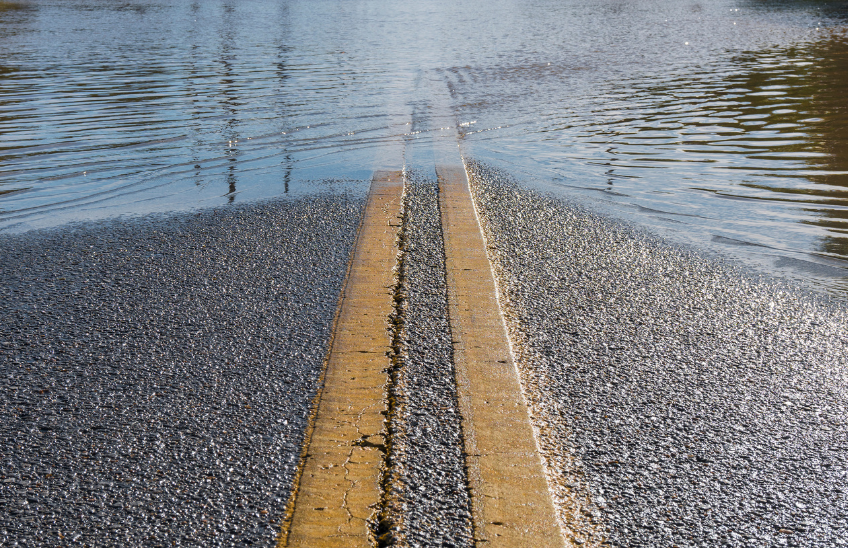
Prevent Spring Flooding: Protect Your Home Before the Storm
Spring in New England brings warmer weather, melting snow, and long-awaited sunshine. Unfortunately, it also brings heavy rain and an increased risk of flooding. Without proper preparation, seasonal storms can lead to basement flooding, foundation damage, and costly repairs.
The good news is that spring flooding prevention starts with simple steps. By inspecting your drainage systems, checking your sump pump, and improving water flow around your home, you can significantly reduce the risk of water damage.
What Is Spring Flooding Prevention?
Spring flooding prevention involves preparing your home for heavy seasonal rain and snowmelt that can cause water damage. Key steps include testing your sump pump, cleaning gutters and downspouts, improving yard drainage, sealing foundation cracks, and ensuring water flows away from your home. Taking these preventive measures before spring storms helps reduce the risk of basement flooding and protects your home’s structure.
How Do You Protect Your Home From Water Damage During Spring Rain?
To protect your home from water damage during spring rain, homeowners should clean gutters, extend downspouts away from the foundation, test sump pumps, inspect foundation cracks, and ensure proper yard grading. These steps help direct water away from the home and prevent basement flooding during heavy storms.
Why Spring Is Peak Flood Season in New England
Spring weather creates several conditions that increase the risk of flooding around homes.
Frozen Ground Prevents Water Absorption
During winter, the ground freezes solid. When heavy rain arrives in spring, the soil cannot absorb water quickly. Instead, the water runs across the surface and often collects near foundations.
Snowmelt Increases Water Volume
Melting snow adds extra water to local drainage systems and waterways. Combined with rainfall, this increases the pressure around foundations and basements.
Freeze-Thaw Cycles Can Create Foundation Cracks
Winter’s freeze-thaw cycle causes water to expand and contract inside small cracks in concrete. By spring, these cracks may become entry points for water.
How Water Enters Homes During Spring Flooding
Understanding where water enters your home is essential for effective spring flooding prevention.
Foundation Cracks
Even small cracks can allow water to enter under pressure during heavy rain.
Poor Yard Grading
If the ground slopes toward your home instead of away from it, water will collect around the foundation.
Blocked Drainage Systems
Clogged gutters, poorly placed downspouts, and aging drainage systems can cause water to accumulate near your home.
Sump Pump Failure
Your sump pump is one of the most important tools for preventing basement flooding. If it stops working during a storm, water can quickly enter your home.
Step 1: Test Your Sump Pump
Testing your sump pump is one of the most important parts of spring flooding prevention.
Sump Pump Inspection Checklist
Pour a bucket of water into the sump pit to confirm the pump activates
Listen for unusual noises during operation
Check the discharge line to ensure water flows away from your home
Confirm the discharge pipe extends at least 10 feet from the foundation
Verify the battery backup works during power outages
If your sump pump is more than 7–10 years old, consider scheduling a professional inspection.
Step 2: Improve Yard Drainage
Your landscaping plays a major role in how to protect your home from water damage.
After rainfall, walk around your property and observe where water collects.
Proper Yard Grading
The ground should slope away from the home
Aim for a drop of about one inch per foot for the first six feet
Avoid areas where water pools near the foundation
Adding soil or adjusting landscaping can significantly improve drainage.
Step 3: Clean Gutters and Extend Downspouts
Gutters and downspouts help move water safely away from your home.
Gutter Maintenance Tips
Remove leaves and debris
Flush gutters with a hose to confirm proper drainage
Check for sagging sections or leaks
Extend downspouts at least 4–6 feet away from your foundation
Use splash blocks or extensions to redirect water
Proper drainage reduces the risk of basement flooding.
Step 4: Seal Foundation Cracks
Small cracks in foundations can become major water entry points during heavy rain.
Foundation Crack Solutions
Hairline cracks can be sealed with concrete crack filler
Larger cracks may require professional waterproofing repair
Inspect both interior and exterior foundation walls
Addressing cracks early helps prevent costly water damage.
Step 5: Protect Basement Window Wells
Basement window wells can collect water during storms.
Window Well Protection Tips
Install window well covers
Ensure window well drains are clear
Add gravel for improved drainage
Remove leaves and debris regularly
These simple steps help prevent water from entering the basement windows.
Spring Flood Prevention Checklist
Use this simple checklist to help protect your home from water damage this spring.
Test your sump pump
Clean gutters and downspouts
Extend downspouts away from the foundation
Inspect yard grading and drainage
Seal visible foundation cracks
Check the basement window wells
Schedule a waterproofing inspection if needed
Completing this checklist before heavy rain arrives can greatly reduce the risk of flooding.
Why the Freeze-Thaw Cycle Causes Water Damage
New England winters create constant freezing and thawing. When water enters small cracks and freezes, it expands and widens the cracks.
By spring, these larger cracks allow water to enter more easily during storms. This is why spring flooding prevention inspections are so important after winter.
Your Spring Flood Prevention Action Plan
This Week
Test your sump pump
Inspect gutters and downspouts
Walk your yard and check the water flow
This Month
Seal foundation cracks
Check window well drains
Adjust grading where water pools
Before Heavy Rain
Schedule a waterproofing inspection if needed
Confirm drainage systems are functioning properly
Taking these steps now helps ensure your home stays protected throughout the rainy season.
Spring Flooding Prevention FAQs
How can homeowners prevent spring flooding?
Spring flooding prevention starts with proper drainage. Cleaning gutters, extending downspouts, testing sump pumps, sealing foundation cracks, and improving yard grading all help protect homes from water damage.
Why is spring flooding common in New England?
Spring flooding occurs when heavy rain combines with melting snow and frozen ground. Because frozen soil cannot absorb water quickly, the excess water often flows toward foundations and basements.
How do I protect my home from water damage during heavy rain?
Homeowners should maintain gutters, test sump pumps, inspect foundation cracks, and improve drainage around their home. These steps help direct water away from the foundation.
When should homeowners prepare for spring flooding?
Flood prevention should begin in early spring, before heavy rainfall begins. Completing inspections early helps prevent emergency repairs later.
Related Articles:
 Previous Post