
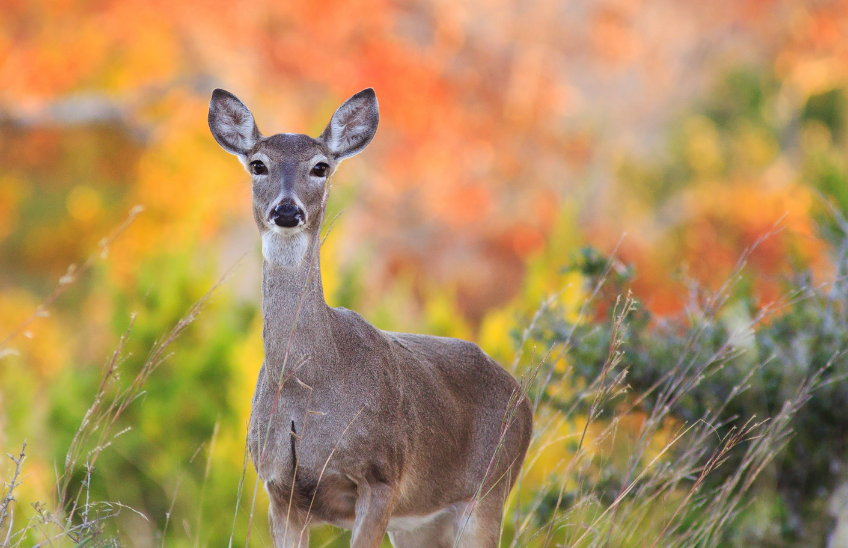
Staying Safe on New England Roads: Deer Season Driving Tips
As the Days Grow Shorter, New England Driving Demand Extra Care
When fall arrives in New England, the landscape transforms into something magical—but it also changes how we need to drive. Shorter daylight hours, frost-slicked pavement, and fallen leaves create perfect conditions for unexpected hazards. And there’s one more player in this seasonal shift: deer moving more actively at dawn and dusk, precisely when many of us are commuting.
The good news? With a bit of preparation and awareness, you can navigate deer season confidently and keep yourself, your passengers, and local wildlife safer on the road.
Understanding New England Deer Behavior in Fall
Why does deer activity spike this time of year?
Autumn is the prime season for deer movement across New England. Driven by mating cycles and seasonal food availability, deer are especially active around wooded corridors, fields, and neighborhoods bordered by green space during fall months.
Here’s the crucial detail: deer are crepuscular, meaning they’re most active at dawn and dusk—the exact same windows when many of us are:
- Heading to work or school
- Running morning errands
- Driving to evening activities and practices
Combine limited light with wet leaves, cold road surfaces, and reduced visibility, and your reaction time shrinks dramatically. The strategy is straightforward: assume deer could be nearby whenever you drive through rural or suburban New England areas, and adjust your speed and attention accordingly.
Spotting Deer Before It’s Too Late
The power of early detection
Staying ahead of a deer encounter comes down to one thing: how early you spot movement.
Try these scanning techniques:
- Sweep your eyes from the road ahead to the shoulders, where movement often begins
- Look for the distinctive white tail flip that signals deer crossing
- Use your high beams on dark, low-traffic roads when legal and safe—they can catch a deer’s eye shine much earlier
- Remember: deer rarely travel alone. If you see one cross, expect another
Reduce your speed slightly in known deer areas, especially on curves and near wooded edges. Many New England towns post seasonal caution signs—note these spots and take them seriously.
Tapping your horn can sometimes deter an animal, but it’s not a guarantee. Your speed and distance remain your most reliable tools.
Road Conditions That Require Extra Attention
Fall weather in New England means changing road surfaces and reduced traction. Here’s what demands your focus:
Wet leaves and hidden hazards
- Freshly fallen leaves may conceal potholes, lane markings, or standing water
- They also reduce tire grip significantly
Frost, black ice, and rain
- Light rain and early frost can lengthen stopping distances by 25% or more
- Black ice often appears on bridges and shaded sections first
What this means for your driving:
- Increase your following distance from other vehicles
- Brake gently, never abruptly
- Slow down before blind hills and wooded curves on back roads
- Keep your windshield clean inside and out to minimize glare at dusk
- Avoid swerving. It’s instinctive when an animal appears, but sharp swerves lead to loss of control, crossing the centerline, or leaving the roadway.
If a Deer is Suddenly in Your Path
Stay calm and act deliberately:
- Stay straight and brake firmly.
- Keep a steady grip on the wheel.
- Look where you want to go—your hands follow your eyes naturally.
- Avoid evasive maneuvers that could cause a rollover or collision with oncoming traffic.
If contact becomes unavoidable, resist the urge to swerve. Controlled braking in your lane is almost always the safer option.
What to Do After a Deer Collision
Immediate steps:
- Pull over safely and turn on hazard lights (use a shoulder or parking lot if available)
- Check for injuries to people first; call 911 if anyone is hurt
- Do not approach the deer. An injured animal is unpredictable and potentially dangerous
- Call local authorities if the animal is blocking traffic; they’ll contact wildlife officials
- Document safely. If it’s secure, photograph your vehicle and surroundings
- Assess your vehicle before driving: check for fluid leaks, tire damage, headlight function, and hood latch security
If anything looks unsafe, call roadside assistance rather than driving.
Preparing Your Vehicle for Deer Season
A few vehicle basics make a real difference:
- Headlights: Replace dim bulbs and clean cloudy covers for maximum visibility on dim evenings
- Wipers and washer fluid: Use winter-blend fluid and ensure wiper blades are fresh
- Tires: Check tread depth and pressure as cooler temperatures lower PSI and affect traction
- Tire choice: Consider all-weather or winter-rated tires for improved control on cold, wet pavement—especially if your routes include hilly secondary roads
- Emergency kit: Keep a reflective vest, flashlight, and basic supplies in your trunk
Managing the Fall Driving Rush
Early sunsets combined with holiday activity and seasonal schedules can create frazzled evenings. Parents juggling school pickups, grocery runs, and gatherings often feel rushed—which is exactly when mistakes happen.
Build a buffer into your routine:
- Leave a few extra minutes early so you’re not rushing on slick, dark roads.
- Put your phone on “Do Not Disturb” while driving.
- Set up navigation before you shift into gear.
Arriving a few minutes late is infinitely safer than making up time on dangerous pavement.
Teaching Teen and New Drivers
If you’re mentoring a new driver, autumn offers the perfect opportunity for focused practice sessions. Choose a safe, low-traffic road at dusk and walk through:
- Scanning techniques for spotting movement early
- How speed adjustments reduce risk
- What to do if an animal suddenly appears
- How to regain control after a scare
Remind them it’s completely okay to pull over and regroup after a frightening moment. Building calm, deliberate habits now pays dividends through winter and beyond.
A Friendly Reminder: Drive with Intention
New England’s fall beauty is undeniable—but it demands respect. By slowing down, scanning early, maintaining space, and knowing exactly what to do if you encounter a deer, you protect lives and reduce the risk of major damage.
The goal is simple: arrive home safely, every time.
With a few mindful habits and a little extra patience, you can enjoy the season’s colors and crisp air while navigating its challenges with confidence. Your family, your neighbors, and the local wildlife share these roads with you. Drive kindly, stay alert, and make it home safe.
 Previous Post
 Next Post