
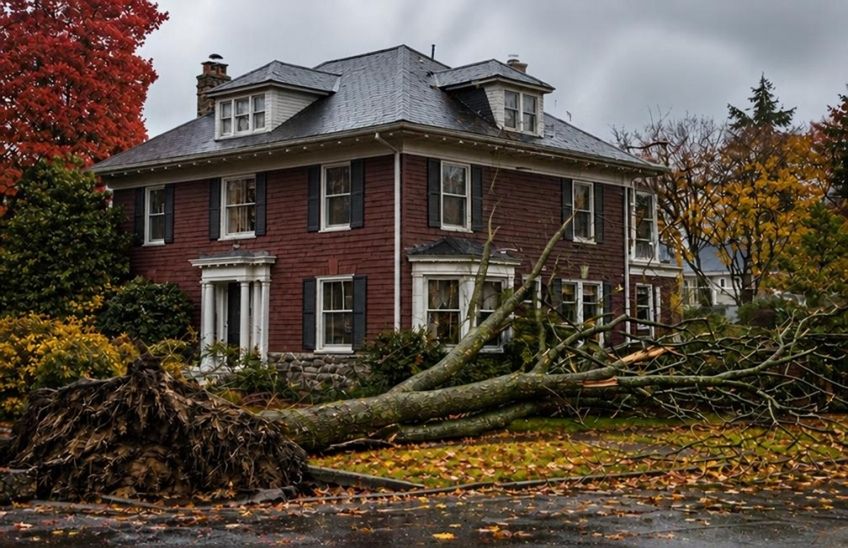
What Happens When a Tree Falls on Your Property? What Homeowners Should Do First
A strong New England storm can turn a healthy-looking tree or heavy limb into a serious property problem in seconds. When a tree falls on your property, the first instinct may be to grab a chainsaw, call a tree company, or start moving branches. Before cleanup begins, however, homeowners should focus on people, immediate hazards, and documentation.
A fallen tree can involve electrical lines, structural damage, blocked driveways, damaged vehicles, and neighboring property. Every situation is different, and insurance questions depend on the facts and the policy involved. That is why the best first steps are practical: keep people away from danger, contact the right professionals, document what happened, and notify your insurance agency when there is damage.
Here is a useful order to follow.
Put People Before Property
Do not approach a fallen tree until you have considered the immediate hazards.
Large limbs can shift unexpectedly. A tree may be resting against a roof, fence, vehicle, or another tree. Roots can lift soil, pavement, or underground utilities.
If anyone is injured, call 911.
Keep children and pets away from the area. Do not allow curious neighbors or family members to walk beneath hanging limbs or unstable branches.
If the tree has affected the structure of the home, avoid entering damaged areas until they can be evaluated appropriately.
Watch for Electrical Lines
A tree that contacts electrical lines creates a potentially life-threatening situation.
Do not touch the tree, branches, wires, nearby fencing, or anything that may be energized.
Keep everyone well away and contact the electric utility or emergency services as appropriate.
Never assume a downed line is inactive just because you don’t see sparks.
This is not the time for do-it-yourself removal.
Look for Immediate Property Hazards
From a safe location, assess what the tree affected.
Did it hit:
- The roof?
- Windows?
- A garage?
- A vehicle?
- A shed?
- A fence?
- A neighboring property?
- A driveway or access point?
- You are not trying to determine the full repair cost. You are identifying problems that require immediate professional attention.
If roof damage exposes part of the home to rain, temporary protective measures may be appropriate, but only when they can be completed safely.
Document the Scene Before Cleanup
When it is safe, take photographs and video before significant cleanup begins.
Capture the overall scene as well as closer views of visible damage.
Photograph:
- The fallen tree and where it came from.
- Damage to the house or other structures.
- Damaged vehicles or personal property.
- The surrounding area.
- Temporary repairs.
- Items that must be removed.
- Do not put yourself in danger to get a better picture.
- Documentation can help you explain what happened to your insurance professional and contractors.
Contact Your Insurance Agency
If the tree caused property damage, contact your insurance agency and explain what happened.
Provide the facts you know without trying to determine coverage yourself.
Your agent can help you understand the appropriate claims process and what information you may need to provide.
Coverage can depend on where the tree fell, what it damaged, why it fell, the policy language, and other circumstances.
Avoid relying on broad statements such as “homeowners insurance always covers fallen trees” or “the neighbor always pays.” Real situations are more specific than that.
Call Qualified Professionals
Tree removal can be dangerous even when the tree appears stable.
Large trees store enormous amounts of weight and tension. Branches can move when cut, trunks can roll, and partially fallen trees can shift.
Use appropriately qualified professionals for tree work beyond simple yard cleanup.
If the home itself is damaged, you may also need a roofer, contractor, electrician, or other professional.
Keep records of who you contact, what work is performed, and what you pay.
What if the Tree Came From a Neighbor’s Yard?
Property-line situations can become emotional quickly.
A tree may originate on one property and land on another. Homeowners shouldn’t determine responsibility based on assumptions or an argument across the fence.
Document the situation and contact your insurance professional.
If the dispute involves negligence, property rights, or responsibility, legal advice may also be appropriate.
Keep the conversation with neighbors factual and calm while the situation is being evaluated.
What if Your Tree Falls on a Neighbor’s Property?
Use the same approach.
Make sure people are safe, document what happened, and contact your insurance agency.
Don’t promise who will pay for what before the facts are reviewed.
You can be a helpful neighbor without making statements about legal responsibility or insurance coverage.
Save Receipts and Records
Storm cleanup can involve many expenses.
Keep receipts for emergency work, tree removal, temporary repairs, and other services related to the event.
Take photographs of completed temporary repairs.
Keep emails, estimates, and contractor information together.
Good records make it easier to explain the timeline later.
Avoid Permanent Repairs Too Quickly
Emergency work may be needed to prevent additional damage or make the property safe.
Permanent repairs, however, should be coordinated appropriately.
If you are filing a claim, ask what documentation you need before discarding damaged materials or starting permanent work.
Don’t delay emergency action needed to protect people or property, but don’t rush into major work without understanding the process.
Common Mistakes After a Tree Falls
One mistake is walking directly into the area without checking for wires or unstable branches.
Another is beginning major cleanup before taking photographs.
Homeowners may also hire the first person who appears after a storm without verifying who they are.
Storms can attract unqualified or dishonest operators. Ask for written information, verify credentials where applicable, and avoid making a large, rushed payment because someone says they can start immediately.
Finally, do not assume you already know what your insurance will or will not cover.
Ask.
Prepare Before the Next Storm
Once you resolve the immediate problem, look at the rest of the property.
Trees with dead limbs, visible decay, unusual leaning or other concerns may deserve evaluation by an appropriate tree professional.
Keep gutters and drainage areas maintained and know where important utility shutoffs are located.
Preparation cannot prevent every tree from falling, but routine property attention can identify some problems before a storm exposes them.
Know Who to Call
A fallen tree can quickly turn an ordinary day into a complicated one.
Start with people and immediate hazards. Document the damage. Contact qualified professionals and your insurance agency. Keep records and avoid assumptions about responsibility or coverage.
Safety Northeast Insurance helps Massachusetts homeowners review their homeowners insurance and navigate the claims process when unexpected property damage occurs.
If a tree or storm has damaged your property, contact our team. We can help you understand the next steps for your specific insurance situation.
FAQs
Does homeowners insurance cover a fallen tree?
Coverage depends on the policy and circumstances, including what was damaged and why the tree fell. Contact your insurance professional for guidance about your specific situation.
Should I remove a fallen tree before calling insurance?
Address immediate hazards, but document damage first when it is safe. Contact your insurance agency for guidance before making major permanent repairs or disposing of the tree.
Who pays if my neighbor’s tree falls on my house?
Responsibility and coverage depend on the facts. Document the event and contact your insurance professional rather than assuming either homeowner is automatically responsible.
Can I cut up a fallen tree myself?
Small debris may be manageable, but large or unstable trees can be dangerous. Use qualified professionals when the work involves significant limbs, structures, wires, or unstable trees.
What records should I keep after storm damage?
Keep photographs, videos, receipts, estimates, contractor information, and notes about the event and repairs.
 Previous Post