
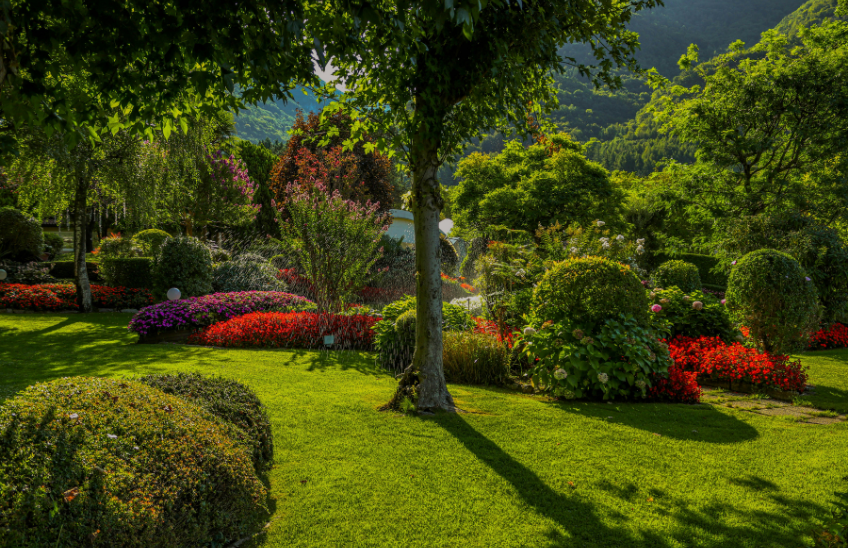
How to Get Your Garden & Landscaping Ready for a Healthy Growing Season
Spring is finally here, and gardeners across Connecticut are itching to get their hands dirty. There’s something magical about planning a new garden season—imagining beautiful flowers, fresh vegetables, and lush green landscapes. But before you plant that first seed, proper spring preparation ensures success.
Let’s walk through the key steps to get your garden and landscaping ready for a thriving growing season.
Why Spring Preparation Sets Up Your Garden for Success
Rushing into spring planting without preparation leads to failed plants, pest problems, and wasted money. A few hours of preparation now prevents months of frustration later.
Spring prep ensures your plants have the best possible start.
Step 1: Spring Cleanup and Debris Removal
Before anything else, clear out winter’s mess:
Remove Winter Debris
- Clear leaves and branches that accumulated over winter
- Remove dead annuals and vegetables from last season
- Take out any winter mulch that’s blocking new growth
- Dispose of diseased plant material (don’t compost it—disease spreads)
- Clear pathways and garden beds
Tidy Up Hardscape Areas
- Remove leaves and debris from patios and pathways
- Clear gutters and roof areas (yes, this affects your garden—leaves clog gutters, water runs improperly)
- Power wash pathways and patios if needed
- Clear storm drains near your property so water flows properly
A clean garden is a healthy garden.
Step 2: Prune and Trim Properly
Spring pruning encourages healthy new growth:
Timing Is Everything
- Late winter/early spring is ideal for most pruning
- Prune before new growth begins
- Remove any wood that’s clearly dead or diseased
- Be gentle—aggressive pruning stresses plants
What to Prune
- Shrubs and bushes: Remove dead wood, crossing branches, and damaged areas
- Trees: Remove lower branches affecting sightlines or creating hazards
- Roses: Prune back to healthy buds
- Perennials: Cut back dead foliage to ground level
- Evergreens: Light pruning to shape; avoid heavy cutting
Pruning Principles
- Always use sharp tools (clean cuts heal better than ragged cuts)
- Make cuts at an angle to encourage water runoff
- Remove branches completely; don’t leave stubs
- Sterilize tools between plants if removing diseased material
- Don’t apply wound dressing (trees heal better without it)
Proper pruning improves plant health and encourages beautiful growth.
Step 3: Soil Preparation and Testing
Healthy soil creates healthy plants. Spring is the time to assess and improve your soil:
Get a Soil Test
- Contact your local extension office for soil testing information
- Tests show pH, nutrient levels, and soil composition
- Results guide fertilizer and amendment decisions
- This simple step prevents guessing and wasted money
Amend Your Soil
Based on test results, add amendments:
- Compost: Improves soil structure and adds nutrients
- Organic matter: Peat moss, aged manure, or compost
- Lime: Raises pH if soil is too acidic
- Sulfur: Lowers pH if soil is too alkaline
- Fertilizer: Based on test results
- Mulch: Protects plants and retains moisture
Mulch Management
- Add fresh mulch to beds (2-3 inches is ideal)
- Keep mulch away from plant stems (prevents rot)
- Use appropriate mulch—wood chips for trees and shrubs, finer mulch for flower beds
- Refresh mulch annually as it decomposes
Step 4: Address Drainage Issues
Proper drainage is critical for garden health:
Identify Problem Areas
- Observe where water pools after rain
- Look for soggy areas that stay wet
- Note areas where water runs off too quickly (erosion risk)
- Check if water drains properly from garden beds
Improve Drainage
- Raised beds: Create drainage solutions in low-lying areas
- French drains: Route water away from soggy areas
- Grading: Adjust landscape to slope properly
- Swales: Create shallow channels to direct water
- Drainage pipes: Underground solutions for serious problems
Good drainage prevents disease, root rot, and plant failure.
Step 5: Frost Dates and Planting Timeline
Connecticut’s growing season has limits. Frost dates matter:
Know Your Frost Dates
- Last spring frost: Mid-May in most of Connecticut (varies by location)
- First fall frost: Early October
- This gives you approximately 135-140 frost-free days
- Plant accordingly—tender annuals after last frost, cool-season crops early
Timing Your Planting
- Cool-season crops: Plant early spring (peas, lettuce, spinach)
- Warm-season crops: Plant after last frost (tomatoes, peppers, squash)
- Perennials and shrubs: Can be planted most of spring
- Trees: Plant spring or fall (avoid summer planting stress)
Planting at the right time sets plants up for success.
Step 6: Pest and Disease Prevention
Spring is when pests and diseases become active. Get ahead of them:
Scout Your Garden
- Look for signs of pest or disease damage
- Check for insect eggs or residual disease from last season
- Remove problem plants before they spread
- Identify areas prone to issues
Preventive Measures
- Spacing: Plant at proper spacing to allow air circulation
- Sanitation: Remove dead leaves and debris where pests hide
- Diversification: Plant varieties attractive to beneficial insects
- Native plants: These naturally resist local pests
- Barriers: Use floating row covers for vulnerable plants
- Organic options: Neem oil, insecticidal soap (use responsibly)
Prevention is easier and cheaper than treating infestations.
Step 7: Landscape Planning for Health and Beauty
As you plan your landscape, think holistically:
Year-Round Interest
- Choose plants that provide interest in multiple seasons
- Mix evergreens for winter structure with deciduous plants
- Include spring bulbs, summer bloomers, and fall color
- Plan for wildlife interest (birds, butterflies, pollinators)
Growing Conditions
- Match plants to your site—sun or shade, wet or dry
- Group plants with similar water needs
- Consider mature size—don’t plant trees where they’ll block views
- Think about mulch color and pathway materials
Maintenance Reality
- Be honest about how much time you’ll spend gardening
- Low-maintenance landscapes are more enjoyable long-term
- Native plants require less maintenance than exotics
- Diverse plantings are healthier than monocultures
Step 8: Tools and Infrastructure
Proper tools and setup make gardening easier:
Check Your Tools
- Sharpen pruning shears, spades, and hoes
- Replace broken handles or blades
- Clean tools to prevent disease spread
- Organize tools for easy access
Garden Infrastructure
- Repair or replace garden beds
- Ensure watering systems (hoses, soaker lines) work
- Check trellises and supports for stability
- Set up shade cloth or other structures as needed
Step 9: Water Management
Spring prepares you for summer’s heat:
Watering Systems
- Set up soaker hoses or drip irrigation
- These are more efficient than overhead watering
- Water early morning to reduce disease
- Avoid wetting foliage when possible
Moisture Monitoring
- Check soil moisture regularly
- Deep, infrequent watering beats frequent shallow watering
- Mulch retains moisture and reduces watering needs
Create a Spring Garden Timeline
Early April:
- Cleanup and debris removal
- Pruning and trimming
- Soil testing (if not done)
Mid-April:
- Soil amendments
- Mulch application
- Cool-season planting
Late April/Early May:
- Frost date planning
- Warm-season preparation
- Plant installation
Mid-May and beyond:
- Warm-season planting (after last frost)
- Monitoring and maintenance
- Pest scouting
Your Garden’s Best Season Starts Now
Spring garden prep feels like work—and it is. But that work pays dividends all season. Well-prepared soil grows healthy plants. Proper pruning creates beautiful forms. Pest prevention means fewer problems later.
A few hours this spring can mean the difference between a thriving garden and a frustrating one. Your future self—the one enjoying beautiful flowers and fresh vegetables—will thank you.
Frequently Asked Questions About Spring Garden Preparation
Q: When should I prune my rose bushes?
A: Late winter/early spring, before new growth begins. Prune out dead wood and old canes, cutting back by about one-third.
Q: How do I know what amendments my garden needs?
A: Get a soil test through your local extension office. Results show exactly what your soil needs.
Q: Can I plant vegetable seeds directly in the ground, or do I need to start them indoors?
A: It depends on the plant. Cool-season crops can be direct seeded. Warm-season crops are often started indoors for a head start.
Q: What’s the best mulch for my garden beds?
A: It depends on your plants. Shredded hardwood mulch works for most beds. Use finer mulch around delicate plants.
Q: How do I prevent spring frost damage to new plants?
A: Know your area’s frost dates. Wait to plant tender annuals until after the last frost date. Use a frost cloth for protection if unexpected cold arrives.
 Previous Post
 Next Post