
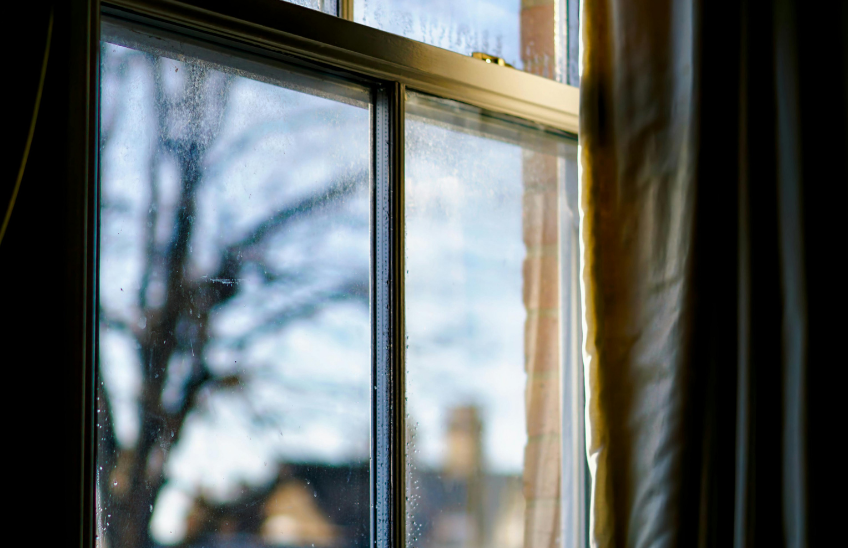
Spring Home Maintenance Checklist: A Seasonal Home Inspection Guide for New England Homeowners
A spring home maintenance checklist helps homeowners inspect their property after winter and prepare for warmer weather. A seasonal home inspection typically includes checking gutters, roofs, siding, windows, basements, and HVAC systems for damage caused by snow, ice, and freezing temperatures. Completing spring maintenance each year helps prevent costly repairs, improves home safety, and ensures your home is ready for the months ahead.
Why Every Home Needs a Spring Home Maintenance Checklist
Winter weather across New England can be tough on homes. Snow, ice dams, and freeze-thaw cycles often cause wear and damage that may not be visible until temperatures begin to rise.
Completing a spring home maintenance checklist helps homeowners identify problems early, before spring rain and summer humidity create larger issues. Think of it as a seasonal home inspection that protects both your home’s structure and long-term value.
Spring Home Maintenance Checklist: Exterior Inspection
Inspect Gutters and Downspouts
One of the most important steps in any spring home maintenance checklist is checking your gutters. Throughout winter, gutters collect debris such as leaves, twigs, and ice buildup.
Clogged gutters can cause water to overflow and collect near your home’s foundation.
Key tasks include:
• Remove debris from gutters
• Flush gutters with a hose to confirm proper drainage
• Ensure downspouts extend 4–6 feet away from your foundation
• Check for rust, leaks, or sagging sections
Maintaining gutters helps prevent water damage and foundation issues.
Check Your Roof for Winter Damage
Your roof is one of the most important areas to inspect during a seasonal home inspection.
Walk around your property and look for:
• Missing or curled shingles
• Loose flashing near chimneys and vents
• Signs of ice dam damage
• Shingle granules collecting in gutters
If you notice significant issues, contacting a roofing professional is recommended.
Examine Siding and Exterior Walls
Siding protects your home from moisture, wind, and pests.
During your spring home maintenance inspection, check for:
• Cracked or loose siding panels
• Gaps around windows or doors
• Areas where caulking has deteriorated
• Signs of water damage or discoloration
Early repairs help prevent moisture from entering your home.
Interior Areas to Check During a Seasonal Home Inspection
Inspect Windows and Screens
Windows should be included in every spring home maintenance checklist.
Inspect for the following:
• Windows opening and closing smoothly
• Cracks in caulking around frames
• Condensation between window panes
• Torn or damaged screens
• Dirt or debris in window tracks
Maintaining windows improves airflow and energy efficiency.
Check the Basement for Moisture or Foundation Issues
Spring snowmelt and rain can increase the risk of basement moisture.
During your seasonal home inspection, check for:
• White chalky residue on concrete walls
• Musty odors indicating mold or mildew
• Water stains on walls or flooring
• Cracks in foundation walls
• Damp spots after rainfall
Addressing moisture issues early can prevent structural damage.
HVAC Maintenance: Preparing Your Home for Warmer Weather
Before summer arrives, your spring home maintenance checklist should include inspecting your air conditioning system.
Routine maintenance may include:
• Replacing or cleaning air filters
• Checking refrigerant levels
• Inspecting the outdoor condenser unit
• Testing thermostat controls
• Ensuring proper airflow throughout your home
Annual HVAC maintenance improves efficiency and reduces the risk of system breakdowns.
Small Maintenance Tasks That Protect Your Home
Some of the most important items in a seasonal home inspection are the smaller maintenance tasks.
Check these areas around your home:
• Door seals and weatherstripping
• Garage door safety features
• Exterior lighting fixtures
• Deck railings and boards
• Exterior vents and airflow openings
Small fixes now can prevent larger repairs later.
A Simple Timeline for Spring Home Maintenance
Your spring home maintenance checklist does not need to be completed all at once. Breaking it into manageable tasks can make the process easier.
Week 1: Gutters, downspouts, and roof inspection
Week 2: Windows, screens, and siding
Week 3: Basement inspection and HVAC maintenance
Week 4: Deck, lighting, and minor repairs
Spreading tasks across several weekends keeps maintenance manageable.
Why Seasonal Home Inspections Matter
Regular seasonal maintenance helps homeowners:
• Catch small issues before they become expensive repairs
• Improve home safety
• Maintain property value
• Increase energy efficiency
• Prepare for seasonal weather changes
Completing a spring home maintenance checklist each year helps protect your home and your investment.
Spring Home Maintenance Checklist FAQs
What should be included in a spring home maintenance checklist?
A spring home maintenance checklist should include inspecting gutters and downspouts, checking the roof for winter damage, examining siding and windows, testing HVAC systems, and inspecting basements for moisture. Seasonal home inspections also include checking exterior lighting, deck safety, and weatherstripping to ensure your home is prepared for warmer weather.
Why is spring home maintenance important in New England?
Spring home maintenance is especially important in New England because winter weather can cause damage to roofs, siding, gutters, and foundations. Snow accumulation, ice dams, and freeze-thaw cycles often create small problems that may go unnoticed. A seasonal home inspection helps homeowners identify and address these issues before spring rain or summer heat causes further damage.
When should homeowners complete spring home maintenance?
Most homeowners begin their spring home maintenance checklist in early to mid-spring once temperatures begin to stabilize and snow has melted. This timing allows homeowners to inspect their property for winter damage and prepare their homes for increased rainfall and warmer weather.
Can homeowners perform a seasonal home inspection themselves?
Many parts of a seasonal home inspection can be completed by homeowners, including checking gutters, inspecting siding, testing windows, and looking for moisture in the basement. However, professional inspections may be recommended for roof damage, HVAC servicing, or structural concerns.
How long does a spring home inspection take?
A basic spring home maintenance inspection typically takes a few hours to complete if done in stages. Many homeowners divide tasks across several weekends to make the process more manageable.
Does spring home maintenance help prevent costly repairs?
Yes. Completing a spring home maintenance checklist helps homeowners identify small issues before they become expensive repairs. Routine seasonal inspections can help prevent water damage, foundation problems, HVAC failures, and other major home maintenance issues.
Related posts
 Previous Post
 Next Post