
A Workplace Safety Checklist Every Small Business Should Follow
Creating a safe workplace is about much more than meeting regulations or checking items off a list. It starts with building a culture where employees look out for one another, speak up when they notice concerns, and understand that safety is everyone’s responsibility. Use this workplace safety checklist to protect your team and keep your business compliant.
Whether you operate a retail store, restaurant, office, manufacturing facility, nonprofit organization, or service business, every workplace has unique challenges. While some hazards are obvious, many develop gradually through everyday routines. A cluttered hallway, poor lighting, damaged flooring, or blocked emergency exit may not seem like a major issue until someone gets hurt.
The good news is that creating a safer workplace doesn’t always require expensive upgrades or major renovations. Small improvements, regular inspections, and open communication can go a long way toward reducing risks and helping employees feel confident in their work environment.
Using a workplace safety checklist throughout the year can help business owners identify potential hazards before they become larger problems. More importantly, it creates an opportunity to involve employees in maintaining a workplace where everyone plays a role in keeping each other safe.
Start With a Walk Through Your Workplace
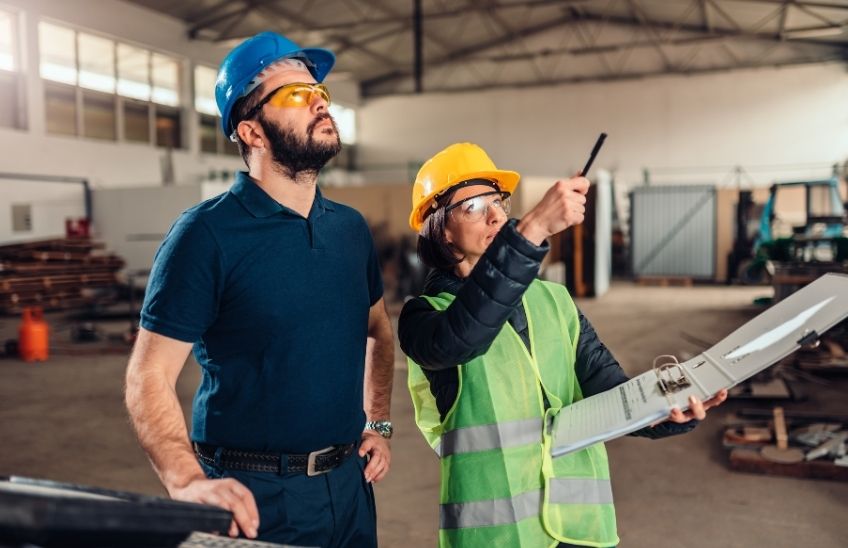
One of the simplest ways to improve workplace safety is to regularly walk through your facility with fresh eyes.
Instead of moving quickly from one task to another, slow down and observe your surroundings. Imagine you’re visiting the building for the first time. Are walkways clear? Are exits easy to access? Are storage areas organized? Is there anything that might create a tripping hazard?
Sometimes the most obvious safety concerns become invisible simply because we see them every day.
Consider inviting supervisors or employees from different departments to participate in periodic safety walkthroughs. They may notice concerns that others have overlooked.
Keep Walkways and Exits Clear
Busy workplaces naturally accumulate boxes, equipment, deliveries, and supplies throughout the day. Unfortunately, these items often end up in hallways, near doorways, or in front of emergency exits.
Keeping walking paths clear should become part of every employee’s daily routine rather than something that only happens during inspections.
Emergency exits should always remain accessible and clearly marked. Fire extinguishers, electrical panels, and first aid kits should also be easy to locate without moving stored materials or equipment.
A clean, organized workplace not only looks more professional but also reduces everyday hazards.
Reduce Slip, Trip, and Fall Hazards
Slips, trips, and falls remain one of the most common workplace injuries across many industries.
Simple hazards such as wet floors, loose rugs, uneven sidewalks, extension cords across walkways, or poor lighting can quickly lead to accidents.
Encourage employees to report maintenance concerns as soon as they notice them rather than assuming someone else will take care of the issue.
Cleaning spills promptly, securing loose flooring, improving lighting, and keeping workspaces organized all contribute to a safer environment.
Often, the smallest improvements have the greatest impact.
Include Good Housekeeping Habits in Your Workplace Safety Checklist
Workplaces tend to become cluttered during busy periods.
Storage rooms fill up, supplies collect in corners, and unused equipment gradually takes up valuable space.
Regular housekeeping is one of the easiest ways to improve workplace safety while creating a more productive environment.
Encourage employees to return tools and equipment after use, keep storage areas organized, and remove unnecessary clutter throughout the building.
Good housekeeping also makes it easier to identify maintenance issues before they become more significant.
Inspect Equipment Regularly
Whether your business relies on office equipment, machinery, tools, or vehicles, routine inspections are an important part of workplace safety.
Equipment that isn’t functioning properly can pose unnecessary risks to employees and disrupt normal business operations.
Encourage staff to report unusual noises, damaged cords, malfunctioning equipment, or anything that doesn’t appear to be operating correctly.
Addressing small concerns early often helps prevent larger repairs and unexpected downtime.
Review Emergency Procedures
Every employee should understand what to do during an emergency.
Review evacuation routes, emergency contact information, meeting locations, and communication procedures on a regular basis.
New employees should receive this information during onboarding, while existing staff benefit from periodic reminders throughout the year.
Emergency procedures don’t need to be complicated, but they should be familiar enough that employees can respond confidently if needed.
Practicing these procedures occasionally helps everyone feel more prepared.
Create an Environment Where Employees Speak Up
One of the strongest workplace safety tools isn’t a piece of equipment. It’s communication.
Employees should feel comfortable reporting hazards, suggesting improvements, or asking questions without worrying about criticism.
Business owners who encourage open communication often identify potential concerns much earlier because employees understand that their observations are valued.
Sometimes, the people performing the work every day have the best ideas for making it safer.
Creating that culture benefits everyone.
Think Beyond Physical Safety
Workplace safety isn’t limited to preventing slips and falls.
Mental well-being, workload management, clear communication, and employee support all contribute to a healthy work environment.
Encouraging regular breaks, maintaining realistic expectations, and providing opportunities for employees to ask questions or request assistance helps reduce stress while supporting overall workplace wellness.
Healthy employees are often more engaged, productive, and attentive to safety.
Make Safety Part of Your Company Culture
The most successful workplace safety programs don’t happen because of one annual meeting or inspection.
They become part of the organization’s everyday culture.
Business owners who regularly discuss safety during staff meetings, recognize employees for identifying hazards, and encourage ongoing improvement often create workplaces where safety becomes second nature.
When employees see leadership taking safety seriously, they are more likely to do the same.
Small Changes Can Make a Big Difference
Creating a safer workplace doesn’t require perfection.
Instead, focus on continuous improvement. Walk through your facility regularly, involve employees in identifying concerns, and address small issues before they become larger problems.
Over time, these consistent efforts help create a workplace where employees feel valued, customers feel confident, and business operations run more smoothly.
Safety isn’t a one-time project. It’s an ongoing commitment that benefits everyone who walks through your doors.
Frequently Asked Questions
What is a workplace safety checklist?
A workplace safety checklist is a tool businesses use to identify potential hazards, review safety procedures, and maintain a safe work environment for employees and visitors.
How often should a workplace safety inspection be completed?
Many businesses benefit from conducting informal inspections weekly and more comprehensive workplace safety reviews several times each year.
Why is workplace safety important?
A safe workplace helps reduce injuries, improve employee morale, encourage productivity, and create a positive environment for both employees and customers.
Who is responsible for workplace safety?
Creating a safe workplace is a shared responsibility. Business owners, managers, and employees all play important roles in identifying hazards and maintaining safe work practices.
What are common workplace safety hazards?
Common hazards include cluttered walkways, poor lighting, damaged flooring, blocked exits, improperly stored materials, equipment issues, and inadequate housekeeping.
Protect What Matters Most
At Safety Northeast Insurance, we help individuals, families, and businesses throughout New England protect what matters most. Whether you need coverage for your home, vehicle, business, or employees, our experienced team is here to provide personalized guidance and insurance solutions that fit your needs. Contact us today for a free quote or coverage review.
About Safety Northeast Insurance
At Safety Northeast Insurance, we believe that preparation and prevention go hand in hand. That’s why we share educational resources that help businesses throughout New England create safer workplaces, prepare for unexpected situations, and build a culture where safety is part of everyday operations. Small improvements made today can have a lasting impact on employees, customers, and your business for years to come.