
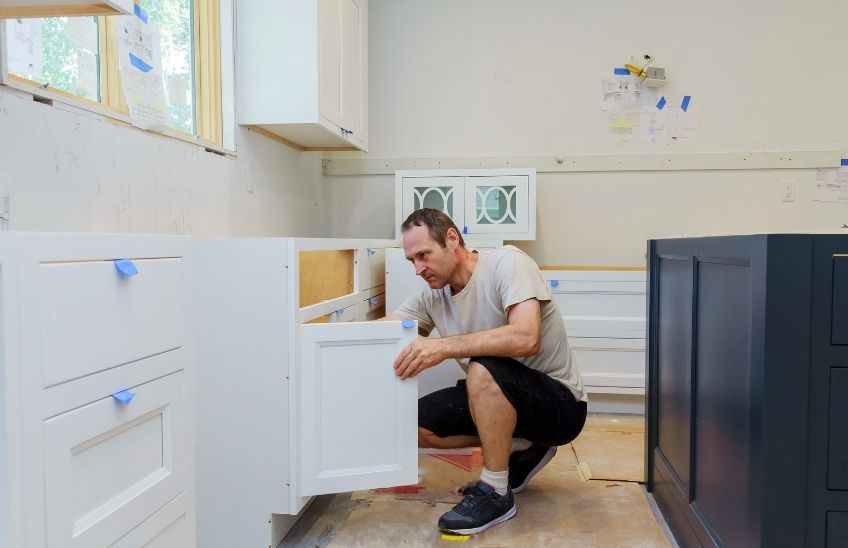
Childproofing Your Home: Simple Steps to Help Keep Children Safe
Childproofing your home doesn’t mean making it impossible to live in. Instead, it’s about looking at your home through a child’s eyes and identifying areas where a little preparation can help reduce the risk of injury.
Young children are naturally curious. As they begin crawling, walking, and exploring, everyday household items can quickly become potential hazards. The good news is that many accidents can be prevented with a few simple safety measures.
Whether you’re a new parent, grandparent, or welcoming young visitors into your home, these childproofing tips can help create a safer environment.
Secure Furniture to the Wall
Bookshelves, dressers, televisions, and other heavy furniture can tip over if a child climbs or pulls on them.
Use furniture anchors to secure large pieces to wall studs whenever possible.
Also, avoid placing tempting items, such as toys or remotes, on top of tall furniture where children may try to climb.
Install Safety Gates
Stairs are among the most common locations for falls among young children.
Install sturdy safety gates at both the top and bottom of stairways.
Choose gates designed specifically for stair use and follow the manufacturer’s installation instructions.
Lock Cabinets and Drawers
Many household products should always remain out of children’s reach.
Install child safety latches on cabinets containing:
- Cleaning products
- Medications
- Vitamins
- Sharp utensils
- Small appliances
- Alcohol
Keeping hazardous items locked away provides an extra layer of protection.
Cover Electrical Outlets to Ensure Child Safety at Home
Unused electrical outlets should have safety covers or tamper-resistant outlet protectors installed.
Also, keep electrical cords organized and out of reach to reduce both electrical and tripping hazards.
Inspect cords regularly and replace damaged ones promptly.
As a side note, check out how you can make the home safer with proper lighting.
Prevent Window Falls
Windows can present serious risks for young children.
Install window guards where appropriate and keep furniture away from windows to discourage climbing.
Window screens help keep insects out, but should never be relied upon to prevent falls.
Home Safety for Children: Keep Small Objects Off the Floor
Children explore with their hands and mouths.
Regularly check floors and low surfaces for items such as:
- Coins
- Batteries
- Small toys
- Buttons
- Jewelry
- Magnets
Small objects can present choking hazards, particularly for infants and toddlers.
Set Water Heater Temperatures Safely
Hot water can cause burns in just a few seconds.
Many safety experts recommend setting household water heaters to approximately 120 degrees Fahrenheit to help reduce the risk of scalding injuries.
Always test bath water before placing a child in the tub.
Store Firearms Safely
If firearms are kept in the home, they should always be stored unloaded in a locked safe.
Ammunition should be stored separately and securely.
Adults should understand safe firearm storage practices and ensure that children never have unsupervised access to firearms.
Create a Fire Escape Plan
Every family should practice what to do in case of a fire.
Teach children:
- How to recognize smoke alarms
- Two ways out of each room when possible
- Where the family meeting place is located
- Never to hide during a fire emergency
Practice your family’s escape plan at least twice each year. Also, add fire alarm checks to your seasonal cleaning.
Supervision is Still the Best Safety Tool for Childproofing Your Home
Even the best childproofing products cannot replace active supervision.
Children develop new skills quickly, and hazards change as they grow.
Regularly reassess your home and adjust your safety measures to match your child’s age and abilities.
Childproofing Tip: Make Changes as Children Grow
A crawling baby has different safety needs than an active toddler.
As children grow, continue evaluating your home for new hazards and updating safety devices when necessary.
Making childproofing an ongoing process helps create a safer environment throughout every stage of childhood.
Frequently Asked Questions
When should I start childproofing my home?
It’s best to begin childproofing before your baby starts crawling, usually around four to six months of age.
What rooms should be childproofed first?
Focus on the kitchen, bathrooms, stairways, living areas, and any room where children spend significant time.
Are outlet covers necessary?
Yes. Outlet covers or tamper-resistant outlets help reduce the risk of electrical injuries.
How often should I review my childproofing measures?
Review your home regularly as your child grows and becomes more mobile. New developmental milestones often introduce new safety concerns.
Is supervision still necessary after childproofing my home?
Absolutely. Childproofing helps reduce risk, but active adult supervision remains the most effective way to help keep children safe.
Protect What Matters Most
At Safety Northeast Insurance, we help individuals, families, and businesses throughout New England protect what matters most. Whether you need coverage for your home, vehicle, business, or employees, our experienced team is here to provide personalized guidance and insurance solutions that fit your needs. Contact us today for a free quote or coverage review.
About Safety Northeast Insurance
At Safety Northeast Insurance, we believe a safer home begins with preparation. We share practical safety tips and educational resources to help families throughout New England reduce everyday risks and create safer homes for ever
 Previous Post
 Next Post