
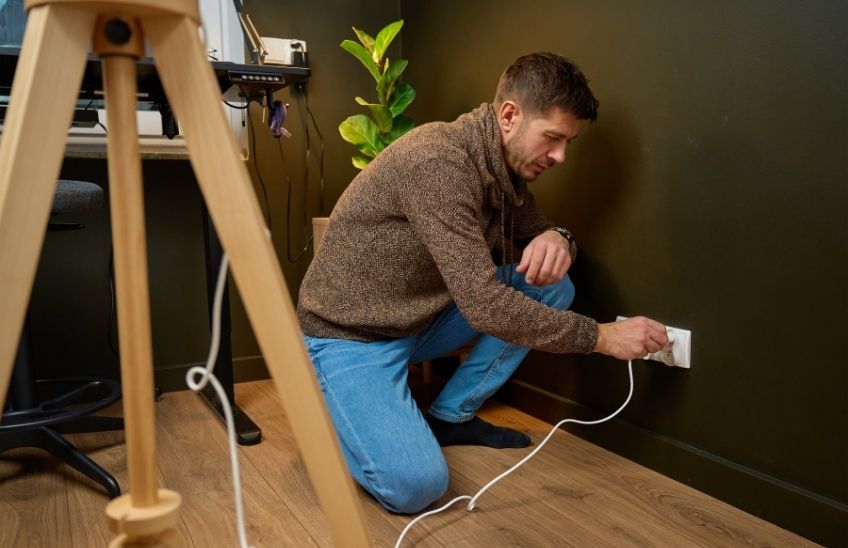
Electrical Safety at Home: 10 Ways to Help Prevent Electrical Hazards
When was the last time you took electrical safety at home in your monthly to-do list?
Electricity powers nearly every part of our daily lives, from charging our phones to keeping our homes comfortable. While we often take it for granted, electrical systems require regular attention to help ensure they continue operating safely.
Many home electrical hazards develop gradually. Frayed cords, overloaded outlets, outdated wiring, or damaged appliances may not seem like immediate concerns, but over time, they can increase the risk of electrical fires, shocks, or equipment damage.
Fortunately, many electrical safety practices are simple and only take a few minutes to incorporate into your routine.
Here are ten ways to help keep your home safer.
1. Avoid Overloading Outlets
It’s tempting to plug several devices into one outlet, especially in home offices or entertainment centers.
However, plugging too many high-powered appliances into a single outlet can overload the circuit.
Spread appliances across multiple outlets whenever possible and use power strips with built-in surge protection when appropriate.
If breakers frequently trip, have your electrical system evaluated by a qualified electrician.
2. Inspect Power Cords Regularly
Power cords experience daily wear and tear. Follow this electrical fire prevention advice closely.
Look for:
- Frayed insulation
- Cracks
- Bent plugs
- Loose connections
- Exposed wiring
Replace damaged cords immediately rather than attempting temporary repairs with electrical tape.
3. Never Run Cords Under Rugs
Extension cords should never be placed beneath rugs, carpeting, or furniture.
Heat can build up without proper ventilation, increasing the risk of damaged insulation and potential fire hazards.
Instead, route cords where they remain visible and free from heavy furniture.
4. Use Extension Cords Properly
Extension cords are designed for temporary use.
Avoid using them as permanent wiring solutions.
If you routinely rely on extension cords because you don’t have enough outlets, it may be time to have additional outlets professionally installed.
5. Test GFCI Outlets to Prevent Electrical Hazards
Ground Fault Circuit Interrupter (GFCI) outlets help protect against electrical shock in areas where water is present.
You’ll commonly find them in:
- Kitchens
- Bathrooms
- Garages
- Basements
- Outdoor locations
Most GFCI outlets include a test button that should be checked periodically according to the manufacturer’s recommendations.
6. Replace Damaged Outlets and Switches
Your electrical fire prevention checklist should also watch for warning signs such as:
- Warm outlets
- Discolored outlet covers
- Flickering lights
- Sparking outlets
- Loose plugs
- Buzzing sounds
These symptoms should never be ignored and may indicate the need for professional inspection.
7. Keep Electrical Panels Accessible
Your electrical panel should always remain easy to access.
Avoid storing boxes, furniture, or other items directly in front of the panel.
Knowing where your breakers are located allows you to quickly shut off power if necessary.
Labeling circuits can also make emergencies easier to manage.
8. Use the Correct Wattage
Always follow manufacturer recommendations for light bulbs and fixtures.
Installing bulbs with higher wattage than recommended may generate excessive heat and potentially damage fixtures.
LED bulbs often provide an energy-efficient alternative while producing less heat.
9. Schedule Electrical Safety Inspections for Older Homes
If your home is several decades old or you’ve recently purchased an older property, consider having the electrical system inspected by a licensed electrician.
An inspection can identify:
- Outdated wiring
- Improper modifications
- Aging electrical panels
- Missing safety devices
- Potential fire hazards
Identifying concerns early may help prevent larger problems later.
10. Teach Children Basic Electrical Safety Checklist
Electrical safety should begin at an early age.
Teach children to:
- Never place objects into outlets.
- Stay away from damaged cords.
- Keep electrical devices away from water.
- Ask an adult before plugging in appliances.
- Respect outdoor utility equipment.
Simple conversations help children develop safe habits that last a lifetime.
Know When to Call a Professional
While homeowners can safely perform basic visual inspections, electrical repairs should generally be handled by qualified professionals.
If you notice burning odors, repeated breaker trips, buzzing outlets, or flickering lights, don’t ignore the warning signs.
Addressing electrical issues early may help prevent more serious damage and improve your home’s overall safety.
Electrical Safety at Home Starts with Awareness
Electrical hazards often develop slowly, making them easy to overlook.
Taking a few minutes throughout the year to inspect outlets, cords, appliances, and electrical panels can help identify small issues before they become larger concerns.
A proactive approach to electrical safety helps protect your home, your belongings, and the people who matter most.
Frequently Asked Questions
What are the most common electrical hazards in a home?
Overloaded outlets, damaged power cords, outdated wiring, faulty outlets, and improper use of extension cords are among the most common household electrical hazards.
How often should I inspect electrical cords?
It’s a good idea to visually inspect frequently used cords several times a year and replace any that show signs of wear or damage.
What is a GFCI outlet?
A Ground Fault Circuit Interrupter (GFCI) outlet helps reduce the risk of electrical shock by shutting off power when it detects certain electrical faults.
When should I have my home’s electrical system inspected?
Older homes, homes with recurring electrical issues, or homes undergoing renovations should be evaluated by a licensed electrician.
Can I use extension cords permanently?
No. Extension cords are intended for temporary use. If you need additional outlets regularly, consider having new outlets installed by a qualified electrician.
Insurance That Grows With You
Life and business are always changing, and your insurance should keep up. Whether you’ve purchased a new home, welcomed a new driver, expanded your business, hired employees, or invested in new equipment, Safety Northeast Insurance can help ensure your coverage continues to meet your needs. Schedule a complimentary insurance review today.
About Safety Northeast Insurance
At Safety Northeast Insurance, we believe safety begins with awareness and preparation. By sharing practical home safety tips and educational resources, we help homeowners and families throughout New England reduce everyday risks and protect what matters most. Small preventive steps today can help avoid larger problems tomorrow.
 Previous Post
 Next Post