
Home Maintenance Tips: Small Problems That Can Lead to Expensive Repairs
Owning a home comes with ongoing responsibilities, and while it’s easy to focus on larger projects like remodeling or landscaping, it’s often the small maintenance tasks that make the biggest difference over time. It’s time to perform these home maintenance tips.
A loose gutter, a slow plumbing leak, or a cracked seal around a window may not seem urgent today, but small issues can quickly become expensive repairs if they’re ignored.
Routine home maintenance helps protect your investment, improves your home’s efficiency, and gives you the opportunity to catch problems before they become major headaches.
Whether you’ve owned your home for years or recently purchased your first house, making home maintenance a regular habit can save both time and money.
Here are some home maintenance tips to look at throughout the year.
Inspect Your Roof
Your roof protects everything underneath it, making regular inspections one of the most important maintenance tasks.
After storms or high winds, look for:
- Missing shingles
- Damaged flashing
- Loose vents
- Signs of sagging
- Debris collecting in valleys
You don’t necessarily need to climb onto the roof yourself. A visual inspection from the ground or with binoculars may reveal obvious concerns.
Addressing minor roof issues early may help prevent more extensive damage later.
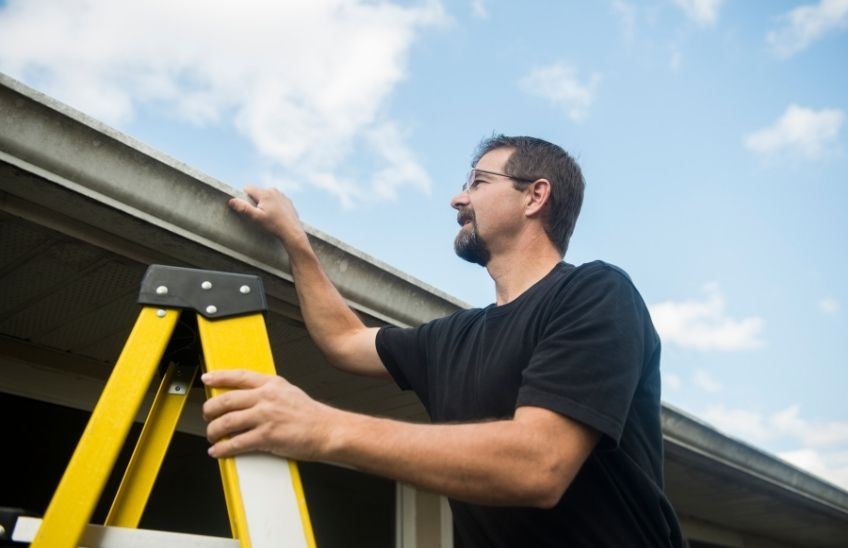
Clean Gutters and Downspouts
Clogged gutters are one of the most common causes of water problems around a home.
Leaves, sticks, and debris can prevent water from flowing properly, causing it to overflow near your foundation or back up beneath the roofline.
Clean gutters at least twice a year, especially during the spring and fall.
While cleaning, make sure downspouts direct water away from your home’s foundation.
Check Windows and Doors
Another way to prevent costly home repairs is to inspect the caulking and weatherstripping around windows and exterior doors.
Cracked seals allow drafts, moisture, and insects to enter your home while making your heating and cooling systems work harder.
Replacing worn weatherstripping is an inexpensive project that can improve comfort and energy efficiency.
Replace HVAC Filters
Your heating and cooling system works hard throughout the year.
Dirty air filters reduce airflow, decrease efficiency, and may shorten the life of your HVAC equipment.
Most manufacturers recommend replacing filters every one to three months, depending on the type of filter and household conditions.
Regular filter replacement also helps improve indoor air quality.
Look for Plumbing Leaks
Even a slow drip can waste water and eventually cause damage.
Your home maintenance checklist should also include periodically inspecting:
- Under sinks
- Around toilets
- Water heaters
- Washing machine hoses
- Dishwashers
- Basement plumbing
Look for water stains, moisture, corrosion, mold, or unusual odors.
Finding a small leak early is usually much easier than repairing water damage later.
Test Smoke and Carbon Monoxide Detectors
Smoke and carbon monoxide detectors should be tested every month.
Replace batteries as recommended and replace older units according to the manufacturer’s guidelines.
These simple devices provide valuable early warning during emergencies and should always remain in good working order.
Inspect Exterior Walkways
Walk around your property and look for safety concerns.
Check for:
- Uneven sidewalks
- Loose railings
- Cracked steps
- Damaged decks
- Worn handrails
Addressing these issues helps improve safety for both your family and visitors.
Trim Trees and Shrubs
Overgrown trees can damage roofs, fences, and power lines during storms.
Trim branches that hang over your home or touch the roof.
Also, remove dead or damaged limbs before severe weather arrives.
Maintaining healthy landscaping improves both curb appeal and property safety.
Service Your Water Heater
Your water heater is one of the hardest-working appliances in your home.
Check for signs of corrosion, leaks, or unusual noises.
If recommended by the manufacturer, flushing sediment from the tank periodically may improve efficiency and extend its lifespan.
If your water heater is older, ask a qualified professional about routine maintenance.
Don’t Ignore Small Repairs
One of the biggest mistakes homeowners make is putting off small maintenance projects.
A loose handrail, cracked siding, broken step, or damaged seal often seems minor until it creates a much larger problem.
Creating a running maintenance list and tackling small projects throughout the year makes homeownership much more manageable.
Build a Seasonal Home Maintenance Routine
Rather than trying to complete every project at once, divide maintenance into seasonal tasks.
Spring
- Inspect the roof
- Clean gutters
- Service air conditioning
- Check outdoor faucets
Summer
- Trim landscaping
- Inspect decks and patios
- Wash exterior surfaces
- Check sprinkler systems
Fall
- Clean gutters
- Seal windows and doors
- Service heating equipment
- Drain outdoor hoses
Winter
- Watch for ice dams
- Monitor plumbing during freezing temperatures
- Check attic ventilation
- Inspect for drafts
Breaking maintenance into manageable projects helps prevent becoming overwhelmed.
A Little Maintenance Goes a Long Way
Following these routine home maintenance tips isn’t about perfection.
It’s about paying attention to your home, identifying small concerns early, and making repairs before they become costly.
A few hours spent inspecting your home each season can help protect one of your largest investments while providing greater confidence that your home is ready for whatever the year brings.
Frequently Asked Questions
How often should homeowners perform routine home maintenance?
Many maintenance tasks should be completed seasonally, while items such as HVAC filter replacement and smoke detector testing should be checked more frequently.
Why is preventive home maintenance important?
Preventive maintenance helps identify small issues before they become larger, more expensive repairs while helping your home operate more efficiently.
What home maintenance tasks are most commonly overlooked?
Cleaning gutters, replacing HVAC filters, checking caulking around windows and doors, inspecting plumbing leaks, and trimming overhanging tree branches are often forgotten.
How can homeowners stay organized with maintenance?
Many homeowners create a seasonal maintenance checklist or calendar to spread projects throughout the year.
Should I hire professionals to complete your home maintenance tips?
Some maintenance tasks can be completed yourself, while others, such as roof repairs, HVAC servicing, or electrical work, are best handled by qualified professionals.
Helping Families and Businesses Stay Protected
Safety Northeast Insurance is proud to serve homeowners, drivers, families, and businesses across New England. We believe the right insurance starts with understanding your unique needs and providing coverage that gives you confidence for whatever comes next. Contact our team today to learn how we can help protect what matters most.
About Safety Northeast Insurance
At Safety Northeast Insurance, we believe prevention is one of the best ways to protect your home and your peace of mind. That’s why we provide practical safety tips and educational resources to help homeowners throughout New England maintain their properties, reduce everyday risks, and prepare for the unexpected. A little maintenance today can help prevent bigger problems tomorrow.
 Previous Post
 Next Post