
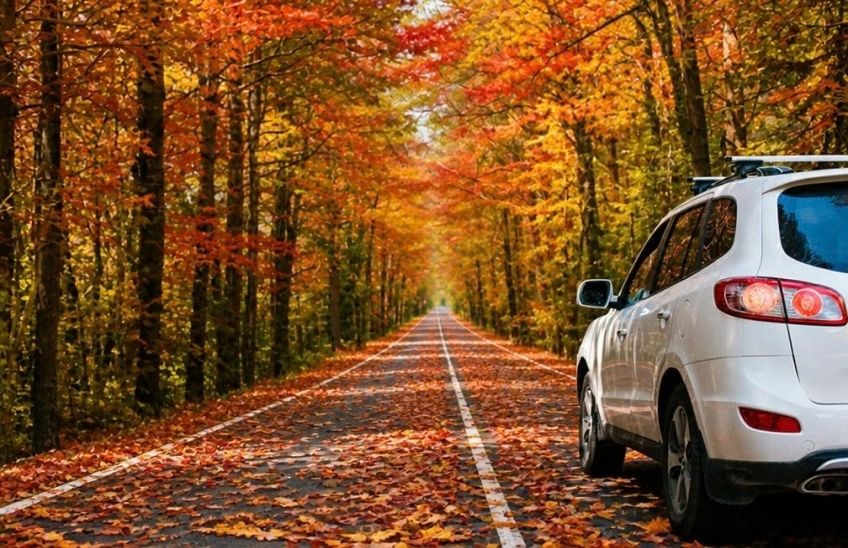
Fall Driving in New England: It’s Not Just Snow You Need to Watch For
When people think about difficult driving conditions, winter usually gets all the attention. However, fall driving in New England brings its own safety challenges that drivers need to respect.
Fall driving in New England can mean wet leaves, heavy rain, fog, bright sun glare, earlier sunsets, school traffic, deer, and visitors slowing unexpectedly to enjoy the foliage. Temperatures can also change quickly, especially later in the season.
October is a beautiful time to be on the road in Massachusetts, but changing conditions make it a good time to adjust driving habits and check your vehicle before winter arrives.
Why Wet Leaves Make Fall Driving in New England Slippery
A layer of wet leaves can reduce traction, particularly during braking or turning.
Leaves can also hide potholes, pavement markings, and other road conditions.
When roads are covered with leaves:
- Reduce speed.
- Leave additional following distance.
- Avoid sudden braking when possible.
- Use extra care on curves.
- Watch for piles of leaves near road edges.
- Don’t assume a road is dry just because it isn’t raining at the moment. Shaded areas can remain wet longer.
Remember that safe fall driving in New England means avoiding sudden braking when possible.
Earlier Sunsets Change the Evening Commute
As daylight decreases, many drivers who spent the summer commuting in daylight find themselves driving home in darkness.
Visibility changes quickly around dusk.
Pedestrians, cyclists and animals can be harder to see. Headlight glare from other vehicles becomes more noticeable.
Make sure exterior lights are working properly and keep the windshield clean inside and out.
A hazy windshield can make glare much worse.
If you wear prescription glasses, make sure your current prescription supports comfortable nighttime driving.
Watch for Low Sun and Glare
Autumn sun can sit low on the horizon during morning and evening travel.
Sudden glare can make it difficult to see traffic lights, pedestrians or vehicles ahead.
Keep sunglasses within reach and use the vehicle’s sun visor when appropriate.
Again, windshield cleanliness matters. Dirt and streaks can scatter sunlight and make visibility worse.
If glare is severe, reduce speed rather than trying to maintain the same pace while struggling to see.
Deer Are More Active During Fall Driving in New England
New England drivers should be particularly alert for deer in the fall.
Pay attention around wooded areas, fields, and locations with deer-crossing signs.
Dawn and dusk can require extra awareness.
If you see one deer, remember there may be others nearby.
Avoid distracted driving so you have more time to respond to animals or other unexpected hazards.
Swerving suddenly can create another serious risk, so focus on controlled driving and appropriate speed.
Fog Can Appear Quickly
Cool mornings and changing temperatures can bring fog, particularly near water, valleys and low-lying areas.
Fog reduces visibility and can make distances difficult to judge.
Slow down and leave more space between vehicles.
Use the appropriate vehicle lights for the conditions and avoid using high beams in heavy fog, because reflected light can make visibility worse.
If visibility becomes too poor to continue safely, find an appropriate safe place to stop rather than simply pushing forward.
School Is Back in Session
Fall also means the return of school buses, students walking, cyclists, and busy drop-off areas.
Routes that felt quiet during summer can suddenly get much busier.
Leave additional travel time during school hours.
Pay close attention to buses, crossings, and posted school-zone rules.
Avoid using the morning rush as an excuse to drive aggressively around neighborhoods or school areas.
Leaf-Peeping Traffic Is Real
Massachusetts and the rest of New England attract visitors during foliage season.
Drivers may slow down to look at scenery, pull into unfamiliar parking areas or stop unexpectedly.
Popular scenic roads can become busier than usual.
If you are the visitor, plan where you will stop rather than making sudden decisions.
If you are a local driver, expect others to be unfamiliar with the road.
A little patience can make the drive easier for everyone.
Rain and Standing Water
Autumn storms can bring heavy rain.
Standing water may hide road damage and can affect vehicle control.
Do not drive through water when you cannot judge its depth or road condition.
Increase following distance in rain and reduce speed.
Check windshield wipers before you need them. If the blades streak, skip or leave areas uncleared, replace them.
Also make sure windshield washer fluid is filled and appropriate for the season as colder temperatures approach.
Temperature Swings Matter
A warm afternoon can turn into a cold night. Later in fall, temperatures may approach freezing even when the day felt mild. Preparing early is a key part of mastering fall driving in New England before winter storms arrive..
Later in fall, temperatures may approach freezing even when the day felt mild.
Pay attention to weather forecasts, especially for early morning travel.
Bridges and elevated surfaces can respond differently to cold temperatures than surrounding roads.
Fall is also a good time to check tire condition and pressure. Tire pressure can change as temperatures drop.
Follow the vehicle and tire manufacturers’ recommendations.
Common Mistakes During Fall Driving in New England
One mistake is treating fall like an extension of summer.
Daylight, weather, and road surfaces are changing.
Another is following too closely on leaf-covered or wet roads.
Drivers also underestimate glare and may continue at normal speed even when visibility is poor.
Finally, many people wait for the first snowstorm to check their vehicles.
Fall is a much better time to handle maintenance, replace worn wiper blades, and organize winter supplies.
Preparing Your Car for Fall Driving in New England
Use autumn as your transition season.
Review:
- Tires.
- Wiper blades.
- Exterior lights.
- Windshield washer fluid.
- Battery condition as recommended.
- Heating and defrosting.
- Ice scraper and snow brush.
- Emergency supplies.
- If your vehicle needs service, scheduling it before the first major winter weather event can be much easier than waiting until everyone else has the same idea.
Review Your Auto Information as the Year Changes
Seasonal preparation is also a useful reminder to review vehicle information.
Did you buy or sell a vehicle this year?
Is a new household member driving?
Did a student’s vehicle move to another location?
Did your commute or vehicle use change?
Tell your insurance professional when meaningful changes occur.
Enjoy the Season Without Underestimating It
Fall is one of the best times to drive through New England, but beautiful scenery does not mean simple road conditions.
Wet leaves, darkness, glare, deer, fog, rain, and changing temperatures all deserve attention.
Safety Northeast Insurance helps Massachusetts drivers with personal auto insurance and works with multiple insurance carriers.
If your vehicles, drivers, or driving habits have changed, contact our team. We can review your current auto insurance and help you understand your options before winter arrives. Contact us today.
FAQs About Fall Driving in New England
Are wet leaves dangerous to drive on?
Wet leaves can reduce traction and may hide pavement conditions. Slow down, increase following distance, and avoid abrupt maneuvers when possible.
Why is fall glare so difficult?
The sun can sit low on the horizon during common commuting times. A clean windshield, sunglasses and reduced speed when visibility is limited can help.
When are drivers more likely to encounter deer?
Drivers should be particularly alert during fall and around dawn and dusk, especially near wooded areas and fields.
What should I check on my car before winter?
Tires, wipers, lights, washer fluid, heating and defrosting, and appropriate seasonal supplies are good places to start.
Should I tell my insurance agent if my driving habits changed?
Yes. Significant changes in vehicle use, household drivers or where a vehicle is normally kept are worth discussing with your insurance professional.
 Previous Post