
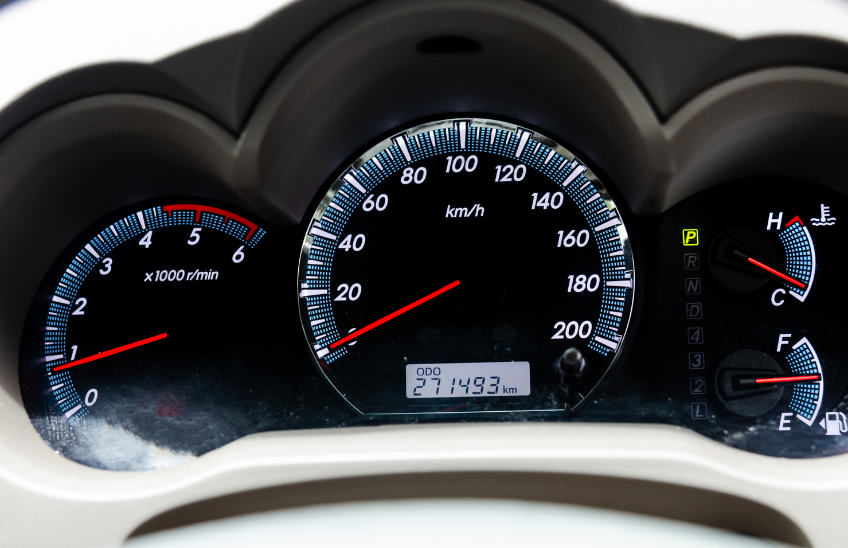
How to Improve Gas Mileage: Smart Fuel Saving Tips for Massachusetts and New England Drivers
For drivers throughout Massachusetts and New England, fuel costs are noticeable right away.
Whether commuting into Boston, traveling across Connecticut for work, or making longer drives throughout rural New England, even small increases in gas prices can have a noticeable impact on monthly budgets.
And while fuel prices themselves are outside most people’s control, the way vehicles use fuel is not. Understanding how to improve gas mileage is less about drastic lifestyle changes and more about consistent driving habits, smarter vehicle maintenance, and small adjustments that add up over time.
For many Massachusetts drivers, especially those balancing commuting, family schedules, and seasonal travel throughout New England, improving fuel efficiency can lead to meaningful savings over the course of a year.
Driving Habits Affect Fuel Efficiency More Than Most People Realize
One of the biggest factors influencing fuel economy isn’t the vehicle itself—it’s how it’s driven.
Aggressive acceleration, rapid braking, and inconsistent speeds all force engines to work harder and consume more fuel.
This becomes especially noticeable in Massachusetts traffic patterns, where drivers frequently encounter:
- Stop-and-go commuting
- Congested highways
- Urban intersections
- Sudden slowdowns
Smooth driving habits significantly improve efficiency.
Gradual acceleration, maintaining steady highway speeds, and leaving enough space to avoid constant braking all reduce unnecessary fuel consumption.
Drivers are often surprised by how much fuel efficiency improves simply by becoming more aware of how they accelerate and brake throughout daily driving.
Tire Pressure Plays a Larger Role Than Many Expect
Tire pressure is one of the simplest but most overlooked factors affecting gas mileage.
Underinflated tires create more rolling resistance, which forces the engine to work harder to move the vehicle.
Massachusetts weather fluctuations can make this issue worse because tire pressure naturally changes with temperature swings, especially during the winter and spring seasons.
Checking tire pressure regularly helps:
- Improve fuel efficiency
- Extend tire life
- Improve handling and safety
For drivers covering long distances across New England, even small improvements in efficiency can add up significantly over time.
Vehicle Maintenance Helps Engines Run More Efficiently
Routine maintenance is another major factor in improving gas mileage.
Dirty air filters, overdue oil changes, aging spark plugs, and neglected engine maintenance all gradually reduce efficiency.
The impact may not feel dramatic immediately, but over time, poor maintenance often leads to:
- Lower fuel economy
- Reduced performance
- Higher repair costs
Vehicles that are properly maintained generally operate more efficiently and reliably, especially during New England winters when cold weather places additional strain on engines and batteries.
Reducing Weight and Drag Can Improve Fuel Economy
Many vehicles carry far more weight than necessary during daily driving.
Sports equipment, storage bins, tools, and seasonal gear often remain in trunks or cargo areas long after they are needed.
Additional weight forces vehicles to use more fuel, particularly during city driving and acceleration.
Roof racks and cargo carriers also create aerodynamic drag, especially at the highway speeds common on Massachusetts interstates.
Removing unnecessary weight and external carriers when not in use can improve fuel economy more than many drivers realize.
Fuel-Saving Apps Help Drivers Make Smarter Decisions
Technology has also made fuel savings easier to manage.
Apps such as:
- GasBuddy
- Waze
- AAA Mobile
allow drivers to compare fuel prices, avoid heavy traffic, and identify more efficient routes.
For Massachusetts commuters navigating areas like Boston, Worcester, or Springfield, avoiding traffic congestion can significantly reduce wasted fuel from idling and repeated acceleration.
Planning ahead becomes one of the easiest ways to reduce unnecessary fuel consumption.
Seasonal Driving Conditions Affect Gas Mileage Across New England
New England weather plays a major role in fuel efficiency year-round.
Winter conditions often reduce gas mileage because:
- Cold engines operate less efficiently
- Vehicles idle longer to warm up
- Snow tires create more resistance
- Road conditions require slower driving
Summer travel patterns can also reduce efficiency due to heavier traffic near vacation destinations and increased air conditioning use.
Understanding how seasonal changes affect fuel economy helps drivers set more realistic mileage expectations throughout the year.
Final Thoughts: Small Changes Create Meaningful Savings Over Time
Learning how to improve gas mileage is not about making driving inconvenient.
It’s about becoming more intentional.
For drivers throughout Massachusetts and New England, small adjustments in driving habits, maintenance, and planning can lead to noticeable savings while also reducing vehicle wear over time.
And while no single tip changes everything overnight, the combination of consistent habits often creates significant long-term results.
FAQs: How to Improve Gas Mileage
What is the fastest way to improve gas mileage?
Driving more smoothly and maintaining proper tire pressure are among the quickest ways to improve fuel efficiency.
Does speeding reduce fuel economy?
Yes. Higher speeds generally increase fuel consumption significantly.
Do fuel-saving apps actually help?
Yes. Apps can help drivers locate lower fuel prices and avoid heavy traffic areas.
Why does gas mileage drop during winter?
Cold temperatures, longer warm-up times, and winter driving conditions all reduce efficiency.
How often should tire pressure be checked?
At least once per month and before longer trips.
Does carrying extra weight affect gas mileage?
Yes. Additional weight and roof cargo create extra strain and drag, reducing efficiency.
 Previous Post
 Next Post