
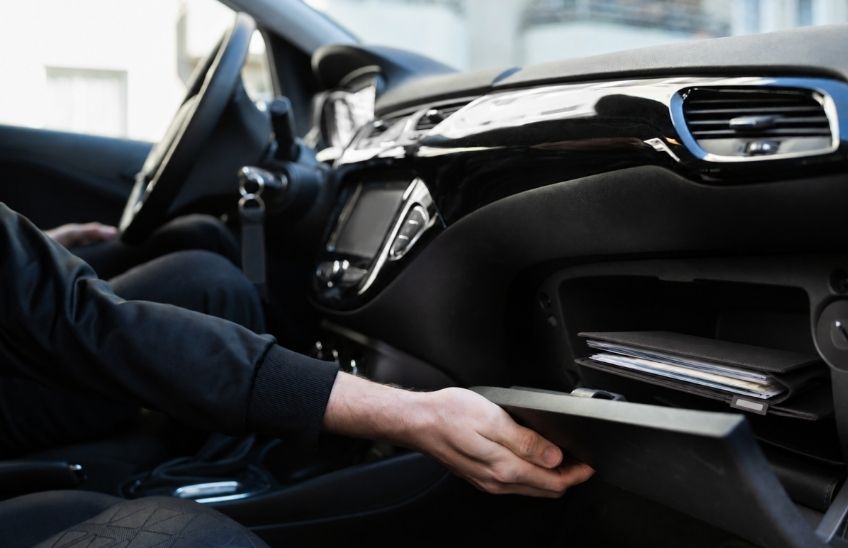
What Should You Actually Keep in Your Glove Compartment?
Most glove compartments start organized and somehow become a collection of old receipts, napkins, expired paperwork, and mystery charging cables. Knowing what to keep in your car is less about filling it with supplies and more about having a simple, current system. When you actually need something on the side of the road or after a minor accident, having the right essentials easily accessible can make a stressful moment much easier.
Knowing what to keep in your car is less about filling it with supplies and more about having a simple, current system. Keep important documents easy to find. Emergency contacts should be available even if your phone is not. Basic supplies should match the season and the way you drive.
A few minutes spent cleaning out and organizing your vehicle now can save time later.
Required Vehicle Documents to Keep in Your Car
Massachusetts drivers should keep required vehicle documentation current and accessible.
Do not bury important paperwork beneath years of receipts.
Review what belongs in your vehicle, and remove expired copies when you replace them.
If you are unsure which documents Massachusetts requires you to carry, confirm the current requirements through the appropriate state resources.
The goal is simple: if you need a document, you should know exactly where it is.
Insurance Information to Store in Your Glove Box
Make sure you can access current insurance information and your agency’s contact details.
Some people rely entirely on a phone. Digital access can be convenient, but phones can be lost, damaged, or out of power.
Consider keeping your insurance agency’s name and phone number somewhere accessible in the vehicle in addition to storing it in your contacts.
If more than one household member drives the car, make sure everyone knows where the information is located.
Create a Simple Accident Information Card
An accident can make even an experienced driver forget what to do next.
Keep a short checklist in the glove compartment.
It can remind the driver to:
- Stop and check for injuries.
- Call 911 when necessary.
- Move to a safe location when possible.
- Exchange required information.
- Photograph vehicles and the scene when safe.
- Note the location, time, and relevant details.
- Avoid arguing about fault.
- Contact the insurance agency and follow the appropriate claims process.
- If a teen or newer driver uses the vehicle, review the card together before they need it.
Emergency Contact Information
Most people have emergency contacts saved in a phone, but a written backup can still be useful.
Keep a short list of the names and phone numbers of people to contact if you can’t use your phone.
Avoid putting unnecessary sensitive information in the vehicle.
The list should include what is useful without becoming a collection of personal data you wouldn’t want left in an unattended car.
A Pen and Small Notepad
It sounds old-fashioned until you need one.
A pen and small notepad can help you write down information after an accident, leave a note, record a location, or take information from another driver.
Check the pen periodically. Pens that have survived several New England winters and summers may not work when you need them.
A Flashlight
A compact flashlight is useful if you are dealing with a vehicle issue after dark.
Do not assume your phone flashlight is always enough.
A separate flashlight preserves your phone battery and may be easier to position while you look for something.
Check the batteries periodically or use an appropriate rechargeable model that you keep charged.
Phone Charging Options
A charging cable that fits your phone can be one of the most useful items in a vehicle.
If your car has USB ports, keep a cable dedicated to the car.
A charged portable power bank can also be useful, but remember: don’t leave batteries in a vehicle indefinitely. Follow manufacturer instructions for storage and temperature exposure.
Seasonal Items Belong in the Car Too
Not everything needs to fit in the glove compartment.
New England drivers should adjust vehicle supplies as seasons change.
Depending on the season and the trip, useful items may include:
- Ice scraper and snow brush.
- Warm gloves.
- Small blanket.
- Water.
- Basic first-aid supplies.
- Reflective warning devices.
- Appropriate emergency supplies.
- Windshield washer fluid suitable for the season.
- For longer winter trips, think beyond your everyday commute.
- Weather, distance, and destination should influence what you bring.
What Not to Keep in Your Glove Compartment
Organization also means knowing what to remove.
Do not leave unnecessary sensitive documents in the car.
Old registration copies, outdated insurance information, and papers containing personal information can create confusion and may expose information if the vehicle is broken into.
Remove receipts you do not need.
Do not use the glove compartment as long-term storage for medication or other products that should not be exposed to extreme vehicle temperatures.
When in doubt, follow storage instructions for the specific item.
Common Car Organization Mistakes
One mistake is keeping everything but being unable to find anything.
A simple folder or document holder can keep essential papers together.
Another is never replacing expired documents.
When you receive an updated document, remove the old one.
Drivers also often prepare for winter once and then forget about supplies for years. Check flashlights, chargers, and seasonal items periodically.
Finally, make sure everyone who drives the vehicle knows where things are.
A perfectly organized glove compartment isn’t very helpful if a family member doesn’t know it exists.
Do a Five-Minute Vehicle Check Each Season
Use the beginning of fall, winter, spring, and summer as a reminder.
Open the glove compartment and ask:
- Are documents current?
- Is the agency contact information correct?
- Does the flashlight work?
- Is the charging cable still there?
- Does the accident checklist need updating?
- Are seasonal supplies appropriate?
- Then look at the rest of the vehicle.
- Check the spare-tire equipment or roadside kit if your vehicle has one. Make sure emergency supplies are usable.
Review Household Vehicle Information Too
While you are organizing the car, think about whether anything else changed.
Is someone new regularly driving the vehicle?
Did a college student take the car to school?
Did your commute change?
Are you using the vehicle differently for work?
Those are good reasons to contact your insurance professional and review the vehicle information.
A Better Organized Car Is Easier to Manage
You do not need to turn your vehicle into a rolling emergency bunker.
Keep the essentials current, organized, and easy to reach.
Safety Northeast Insurance helps Massachusetts drivers review personal auto insurance and navigate changes involving vehicles and household drivers.
If you have questions about your current auto insurance or something has changed with your vehicles or drivers, contact our team. We can help you review your information and discuss available options.
FAQs
Should I keep insurance information in my car?
Make sure you can access current insurance information and your agency’s contact details. If you are unsure what documentation to keep in the vehicle, ask your agent.
What information should I collect after a car accident?
When safe and appropriate, collect the other driver’s required information, photographs, location details, and relevant notes. Contact emergency services when necessary and notify your insurance professional.
Should I keep personal documents in my glove compartment?
Keep only what is appropriate and necessary. Avoid storing unnecessary sensitive personal information in an unattended vehicle.
How often should I clean out my glove compartment?
A seasonal check is an easy routine. Remove outdated paperwork and confirm that important information and supplies are up to date.
What should I add for winter driving in New England?
An ice scraper, snow brush, warm items, and appropriate emergency supplies are useful starting points. Adjust what you carry for the weather, distance, and type of trip.
Related Reading
Automobile Insurance: What to Do After You Have Been in a Car Accident
 Previous Post