
Home Safety for Seniors: Simple Ways to Make Your Home Safer
Home is where we feel most comfortable, but as we get older, everyday spaces can present new challenges. A loose rug, poor lighting, or a slippery bathroom floor may seem like minor inconveniences, but they can increase the risk of falls and injuries. That’s why home safety for seniors is crucial.
The good news is that creating a safer home doesn’t always require expensive renovations. Many improvements are simple and affordable, making it easier to live independently with greater confidence.
Whether you’re making changes for yourself, helping an aging parent, or supporting another loved one, taking a proactive approach to home safety can help reduce risks and provide greater peace of mind.
Here are some practical ways to establish home safety for seniors.
Improve Lighting Throughout the Home
Good lighting is one of the easiest ways to improve home safety for older adults.
Replace burned-out bulbs promptly and consider brighter LED bulbs in hallways, stairways, kitchens, and bathrooms. Install nightlights in bedrooms, bathrooms, and hallways to make nighttime trips safer.
Motion-activated lighting near entrances, garages, and walkways can also improve visibility while adding convenience.
Reduce Fall Hazards
Falls are one of the most common causes of injury among older adults.
Walk through your home and look for potential tripping hazards such as:
- Loose throw rugs
- Electrical cords across walkways
- Clutter on stairs
- Uneven flooring
- Shoes or boxes left in walking paths
Keeping floors clear and organized is key to fall prevention for seniors.
Make the Bathroom Safer
Bathrooms are one of the most common places for slips and falls.
Simple improvements can include:
- Installing grab bars near the toilet and inside the shower
- Using non-slip bath mats
- Adding a shower chair if needed
- Installing a handheld showerhead
- Keeping frequently used items within easy reach
These changes can improve both safety and comfort.
Check Smoke and Carbon Monoxide Detectors
Every home should have working smoke and carbon monoxide detectors.
Test alarms monthly and replace batteries as recommended by the manufacturer. If the detectors are older, consider replacing them based on their recommended lifespan.
Having properly functioning alarms is an important part of protecting everyone in the home.
Review Medications Regularly
Many people take multiple medications, and some may cause dizziness or affect balance.
Keep medications organized and review them regularly with your healthcare provider or pharmacist.
Using a weekly pill organizer or a medication reminder can help ensure medications are taken correctly and reduce confusion.
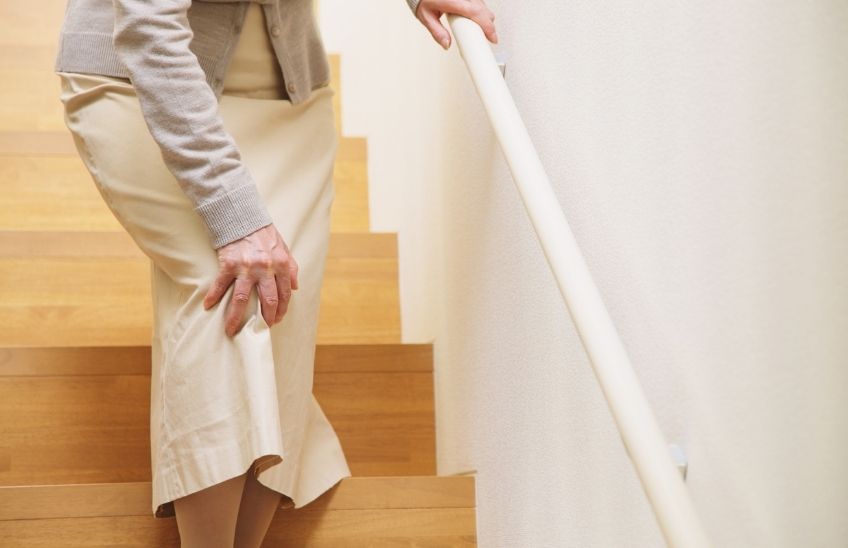
Improve Stair Safety
If your home has stairs, inspect them carefully.
Make sure handrails are secure on both sides whenever possible. Repair loose carpeting, improve lighting, and add non-slip stair treads if needed.
Avoid carrying large loads that block your view when using stairs.
Taking your time and using available handrails can significantly reduce the risk of falls.
Keep Emergency Information Accessible
Every household should have emergency contact information readily available.
Include:
- Family members
- Healthcare providers
- Emergency contacts
- Pharmacy information
- Medical conditions
- Current medications
Keep a printed copy in an easy-to-find location and let trusted family members know where it is.
Secure Entrances and Walkways
Outdoor safety is just as important as indoor safety.
Inspect sidewalks, steps, porches, and driveways for cracks, uneven surfaces, or loose railings.
Trim shrubs that block walkways and keep outdoor lighting in good working order.
During the winter months, promptly remove snow and ice from walkways to reduce slipping hazards.
Consider Smart Home Technology
Technology can help support independent living.
Smart doorbells, video cameras, voice assistants, automated lighting, and smart locks can improve both convenience and security.
Medical alert systems may also provide additional peace of mind for individuals who live alone.
Choose technology that is easy to use and fits your family’s needs.
Create a Plan for Emergencies
Every family should discuss what to do during emergencies.
Know where flashlights are stored, keep emergency supplies accessible, and make sure everyone knows who to call if assistance is needed.
Review emergency plans periodically so they remain current as needs change.
Preparation helps reduce uncertainty during unexpected situations.
Small Improvements Can Have a Lasting Impact
Creating a safer home doesn’t require completing every project at once.
Start with one room, identify the most important improvements, and make changes over time.
Many small updates, such as better lighting, grab bars, and removing clutter, can significantly improve safety while helping older adults maintain their independence.
A safer home benefits everyone who lives there and everyone who visits.
Frequently Asked Questions
What are the biggest home safety risks for seniors?
Falls, poor lighting, slippery bathrooms, cluttered walkways, and improperly maintained stairs are among the most common safety concerns.
How can seniors reduce the risk of falling at home?
Remove tripping hazards, improve lighting, install grab bars, use non-slip mats, and keep frequently used items within easy reach.
Why are smoke and carbon monoxide detectors important?
Working detectors provide early warning during emergencies and should be tested regularly to ensure they function properly.
What technology can improve home safety?
Smart lighting, video doorbells, voice assistants, medical alert systems, and smart locks can all help improve convenience and safety.
How often should a home safety review be completed?
A home safety review should be completed at least once each year and whenever there are changes in mobility, health, or living arrangements.
Protect What Matters Most
At Safety Northeast Insurance, we help individuals, families, and businesses throughout New England protect what matters most. Whether you need coverage for your home, vehicle, business, or employees, our experienced team is here to provide personalized guidance and insurance solutions that fit your needs. Contact us today for a free quote or coverage review.
About Safety Northeast Insurance
At Safety Northeast Insurance, we believe safety starts at home. Through educational resources and practical tips, we’re committed to helping individuals and families throughout New England create safer homes and prepare for life’s unexpected moments. Small improvements today can help provide greater comfort, confidence, and peace of mind for years to come.
 Previous Post