
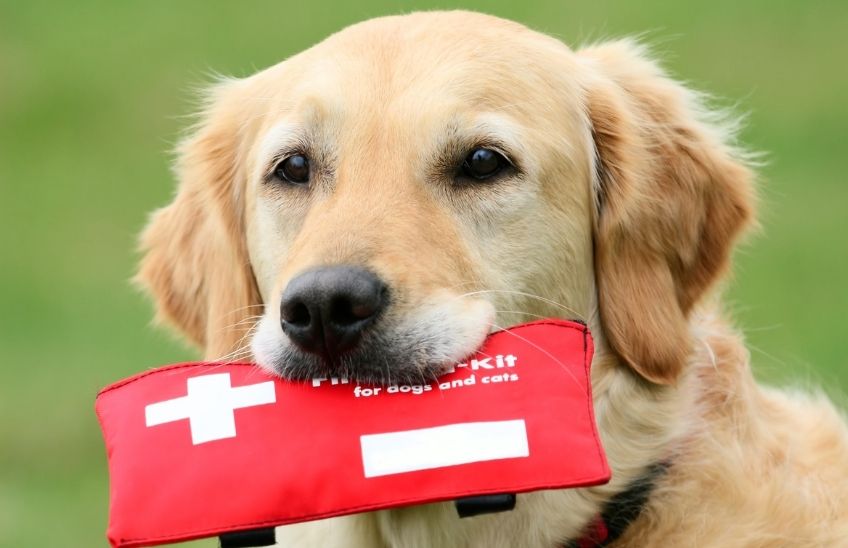
Pet Emergency Preparedness: How to Keep Your Pets Safe During an Emergency
For many families, pets are much more than animals. They are loyal companions and beloved members of the household. When an emergency happens, it’s natural to focus on keeping your family safe, but it’s just as important to have a plan for your pets.
Whether you’re facing a severe storm, power outage, house fire, or another unexpected event, preparing in advance can make a stressful situation much easier. Knowing what you’ll need and where you’ll go can help protect both you and your pets when every minute counts.
The best time to prepare is before an emergency happens.
Build a Pet Emergency Kit
Just as your family should have an emergency kit, your pets should have one too.
Store your supplies in an easy-to-carry container and check them a few times each year to replace expired items.
Your pet emergency kit should include:
- At least three days of food and water
- Food and water bowls
- Medications and copies of prescriptions
- Leash, harness, or carrier
- Waste bags or litter supplies
- Favorite toy or comfort item
- Blanket or towel
- Recent photo of your pet
- Veterinary contact information
Keeping everything together allows you to leave quickly if evacuation becomes necessary.
Keep Identification Current
One of the easiest ways to improve your pet’s safety is to make sure identification is always up to date.
Check that your pet wears a collar with current identification tags that include your phone number.
If your pet has a microchip, verify that your contact information is accurate in the registration database.
Many lost pets are successfully reunited with their families because identification information was kept current.
Organize Important Records
If you ever need to stay at a hotel, emergency shelter, or boarding facility, you may be asked to provide vaccination records.
Keep copies of:
- Vaccination records
- Medical history
- Current medications
- Microchip information
- Adoption paperwork
- Veterinarian contact information
Store both printed and digital copies whenever possible.
Plan Your Evacuation
If local officials recommend evacuating, your pets should leave with you.
Never assume you’ll be able to return home quickly.
Before an emergency occurs, identify:
- Pet-friendly hotels
- Boarding facilities
- Friends or family members who can help
- Emergency veterinary clinics
- Local animal shelters
Having a plan ahead of time helps reduce stress when decisions need to be made quickly.
Practice Traveling With Your Pet
Some pets become anxious during travel.
Take short practice trips using your pet’s carrier or safety restraint so they’re more comfortable if an emergency requires evacuation.
Familiarity can help reduce stress for both pets and owners during an already difficult situation.
Prepare for Power Outages
Power outages affect pets differently depending on the season.
During hot weather, provide plenty of fresh water and keep pets cool.
During colder months, ensure they have warm bedding and shelter from drafts.
If your pet relies on electrically powered medical equipment, speak with your veterinarian about backup plans before an emergency occurs.
Watch for Hazards After a Storm
After severe weather, your yard and neighborhood may contain hidden dangers.
Watch for:
- Downed power lines
- Broken glass
- Sharp debris
- Standing water
- Fallen trees
- Damaged fences
- Wildlife displaced by the storm
Keep pets on a leash until you’ve inspected the area and confirmed it’s safe.
Include Pets in Your Family Emergency Plan
Every member of the household should understand what happens if an evacuation is necessary.
Assign responsibilities such as gathering supplies, loading carriers, or transporting pets.
Practicing your family’s emergency plan helps everyone respond more confidently during a real emergency.
Don’t Forget Comfort
Emergencies can be stressful for animals.
Bringing a familiar blanket, favorite toy, or bedding can help reduce anxiety while you’re away from home.
Maintaining familiar feeding schedules whenever possible also helps pets feel more secure during uncertain situations.
Review Your Plan Every Year
As your family changes, your emergency plan should change too.
Review your pet emergency kit at least once each year.
Replace expired food and medications, update identification information, and confirm emergency contacts remain current.
A yearly review helps ensure you’re prepared whenever an unexpected situation occurs.
Preparation Helps Protect Every Member of the Family
Emergencies are unpredictable, but preparation gives you greater confidence when they happen.
Taking a little time today to organize supplies, update identification, and create a plan for your pets can make all the difference during an emergency.
Your pets depend on you every day, and having a thoughtful emergency plan helps ensure you’re ready to protect them no matter what the future brings.
Frequently Asked Questions
What should be included in a pet emergency kit?
A pet emergency kit should include food, water, medications, bowls, leashes, carriers, waste supplies, comfort items, identification, and veterinary records.
How much food should I keep in a pet emergency kit?
Most experts recommend keeping at least a three-day supply of food and water for each pet.
Should my pet have a microchip?
Microchips provide permanent identification and can help reunite lost pets with their families. Be sure to keep your contact information updated.
Can pets stay in emergency shelters?
Not all emergency shelters accept pets. Before an emergency occurs, identify pet-friendly shelters, hotels, boarding facilities, or friends and family who may be able to help.
How often should I update my pet emergency plan?
Review your emergency plan at least once a year and whenever your pet’s medical needs, medications, or contact information change.
Smart Coverage Starts With the Right Advice
Insurance is more than a policy. It’s peace of mind. At Safety Northeast Insurance, we combine personalized service with practical education to help homeowners, families, and business owners make informed decisions before the unexpected happens. Contact us today to review your current coverage and explore your options.
About Safety Northeast Insurance
At Safety Northeast Insurance, we understand that pets are part of the family. That’s why we’re committed to sharing practical safety tips and preparedness resources that help protect every member of your household. From home safety and emergency planning to seasonal preparedness, we’re here to help New England families prepare for whatever comes next.
 Previous Post
 Next Post